
The best time to measure a brand activation’s impact? Before it’s built.
It’s easy to focus on the parts people will see: the creative, the technology, the space and the experience itself. But a few important decisions happen behind the scenes. They shape what the activation is designed to do, what the team can learn from it and what happens after it ends.
Our Sensory Storytelling ROI Report identifies five decisions to make at the brief stage. They don’t require a complicated new system. They do require the right people to agree on the plan before the build is complete.
1. Decide what a customer is worth
 An activation can generate attention, participation and leads. To understand how those outcomes relate to business value, the team needs a starting point: what is a customer worth to the brand over time?
Agreeing on customer lifetime value at the briefing stage gives the team a more useful way to set expectations. It can help show how many conversions the activation would need to break even, and whether the scope and budget make sense for the goal.
2. Decide what to capture, and who keeps it
Interactive experiences can generate useful information about who took part and what they did. Before the activation begins, the team should decide what to capture, which organization will hold that information and who can use it afterward.
That conversation matters when multiple partners are involved. The people closest to the experience may see the most detail, while the brand holds the customer or sales information. Agreeing on the handoff early helps connect those pieces.
3. Decide who follows up, and when
Capturing a contact is only the beginning. Someone needs to take responsibility for what happens next: who reaches out, how soon they do it and what the follow-up says.
If that plan is left until after the activation, it can be hard to coordinate across teams and organizations. A timely, relevant follow-up is easier to deliver when it’s part of the brief from the start.
A real-world example: Ally’s Savings Buckets
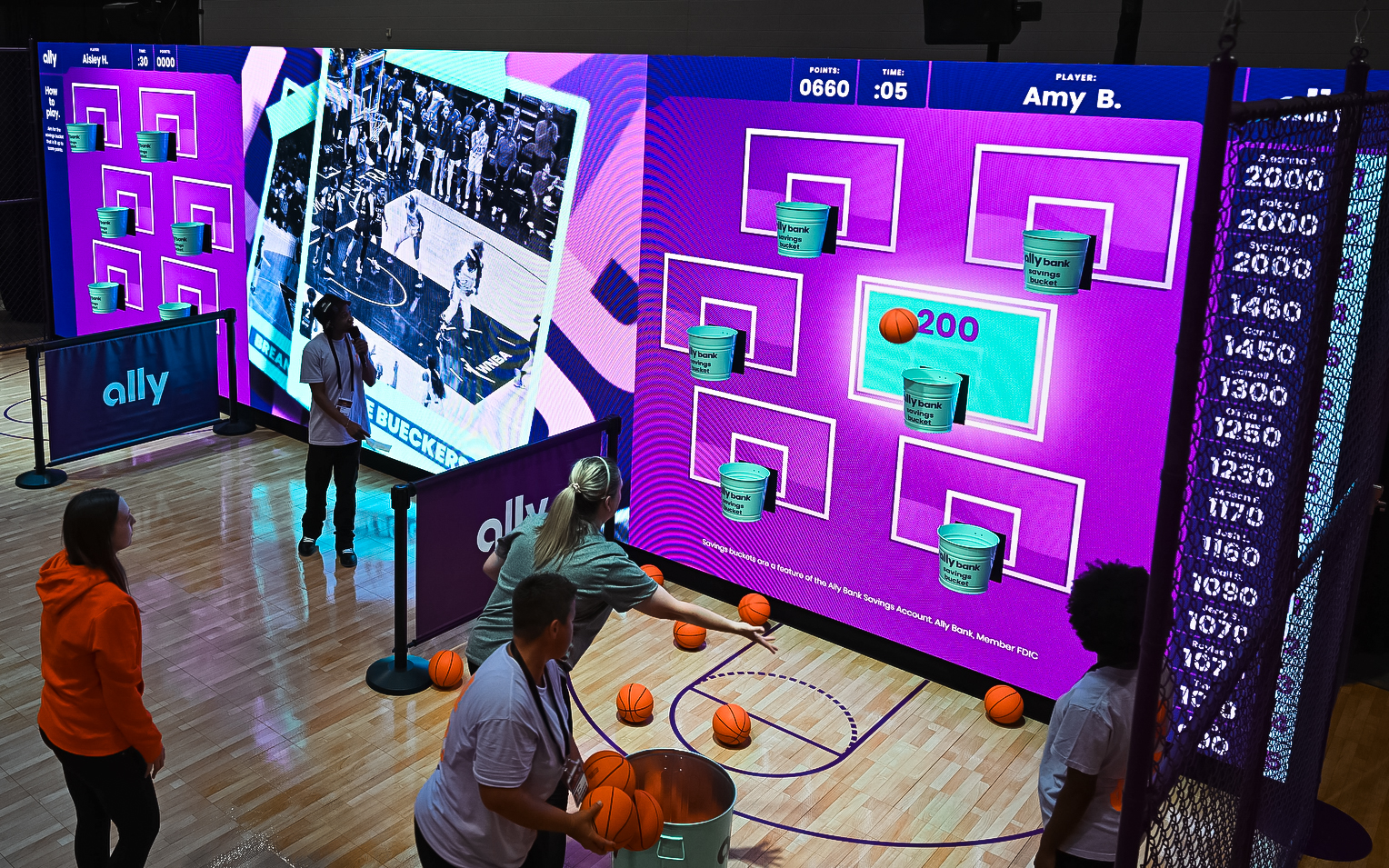
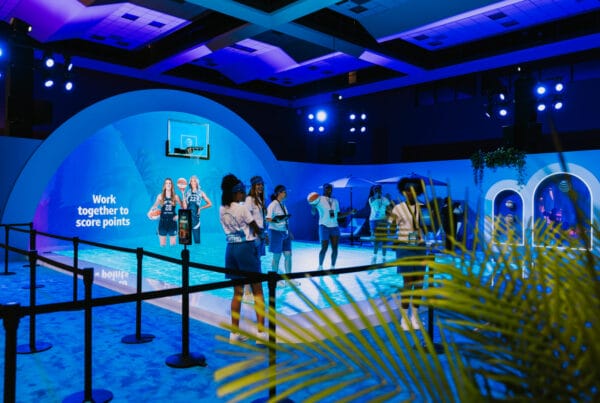
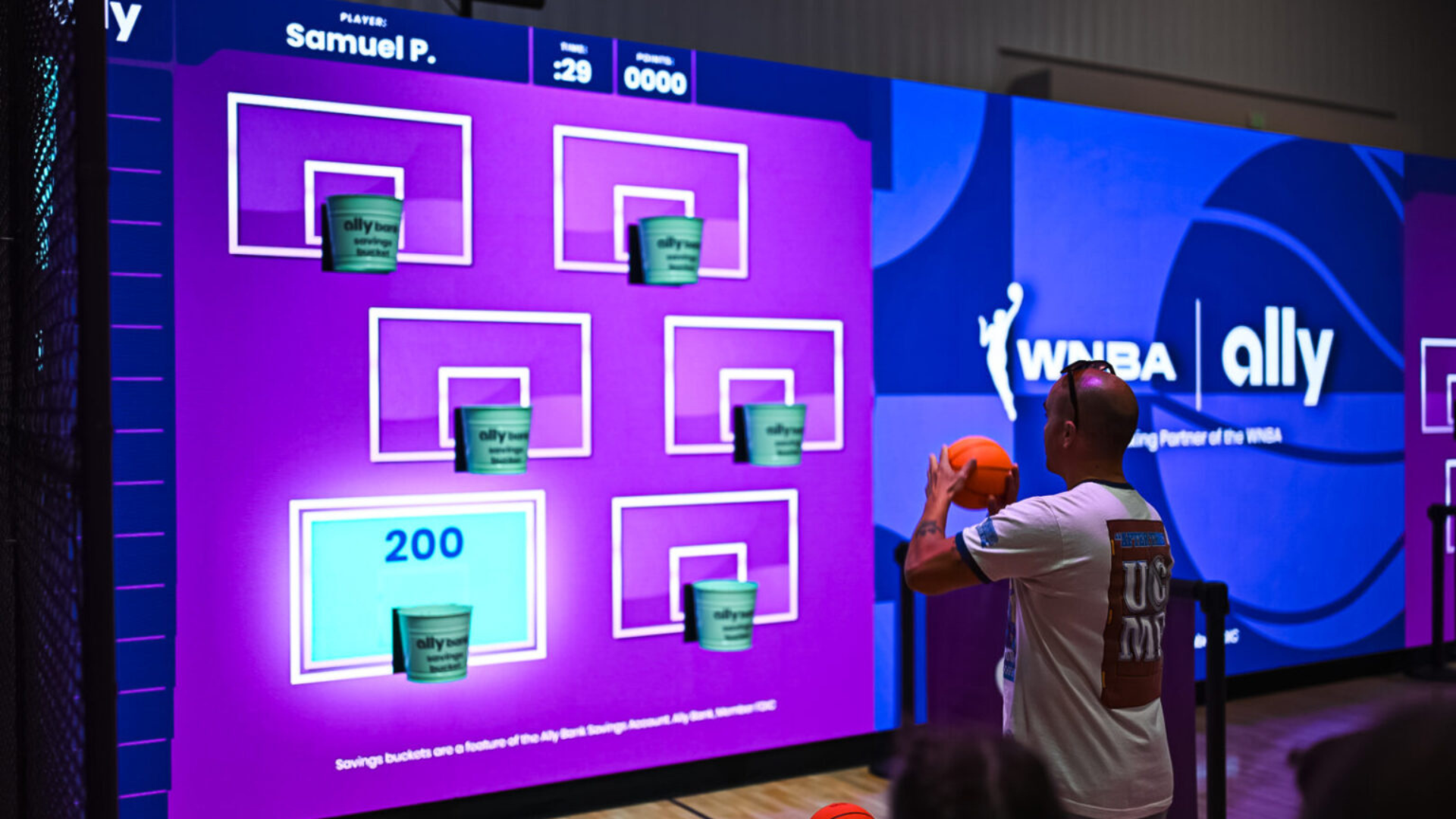
At Ally’s activation during WNBA All-Star Weekend, fans who registered for a chance to play were asked what they were saving for. During the game, they shot basketballs into savings buckets, earning points based on the bucket they made.
The question and gameplay worked together: the registration prompt connected directly to the activity. The answer also gave Ally a way to make follow-up marketing more personal and relevant, by referencing what each person said they were saving for. See the full case study here.
4. Decide whether the priority is depth or throughput
An activation can be designed to give each person a more involved experience, or to move a larger number of people through it. Both can be valid goals. The right choice depends on what the brand wants people to do and remember.
The important thing is to make that choice on purpose. If the team prioritizes throughput without considering how it affects participation, more people moving through the experience may not mean more meaningful engagement.
5. Put measurement in the budget
Measurement needs to be planned alongside the build, staffing and show services. It shouldn’t be an afterthought once the activation is over.
The right approach will vary by project. It may include tracking interactions and follow-up, or a formal brand lift study that measures changes in awareness, recall, consideration or purchase intent. The report estimates that a formal study costs about $7,500 to $15,000, less than 2% of a flagship activation budget.
Bring the conversation into the brief
These decisions affect how an activation is designed and delivered. Data capture may influence the experience flow and technology. A focus on depth may shape how many people can participate at once. Follow-up and measurement require coordination among the organizations involved.
By the time the build is complete, those pieces can be difficult or impossible to add. Bringing Bluewater in at the brief stage gives the team a chance to plan the experience and its measurement together, before those decisions are locked in. Have a project in mind? Contact us today to get started.
Read the full Sensory Storytelling ROI Report for more on measuring the return of live brand experiences.