
Planning an event involves countless moving pieces, but one area that’s often underestimated is live audiovisual (AV) production. From venue logistics to sound quality, even small oversights can create major challenges on event day.
Fortunately, most common event AV mistakes are completely avoidable with the right planning and the right production partner. We spoke with Andy Makins, Director of Live Events at Bluewater, about the mistakes he sees most often—and how organizations can avoid them.
1. Waiting Too Long to Start Planning
One of the most common event AV mistakes happens long before equipment ever arrives on-site: waiting too long to begin planning.
According to Andy, shorter planning timelines limit creative options, increase costs, and leave little room for testing or backup plans.
“The earlier your production partner is involved, the more opportunities there are to improve both the experience and the budget,” says Andy.
Bringing your AV team into the conversation early allows time to evaluate the venue, identify potential challenges, and build an event that meets your goals without unnecessary surprises.
2. Not Fully Understanding the Venue
Every event venue comes with its own set of limitations and opportunities.
Loading dock access, rigging capabilities, ceiling height, available power, internet connectivity, and labor requirements all play a role in how an event is executed. Overlooking these details can lead to unexpected costs or last-minute changes.
A pre-event site visit helps identify these factors early so your production team can plan accordingly.
3. Budget Expectations Don’t Match Event Goals
It’s easy to imagine an event with large LED displays, dynamic lighting, premium audio, and immersive experiences. However, those ideas need to align with the available budget.
Rather than trying to do everything, focus on the elements that will have the biggest impact on your audience.
“A good production partner can help prioritize investments so the budget is spent where it creates the greatest impact instead of spreading dollars too thin,” Andy explains.
An experienced AV partner can recommend solutions that maximize value while still creating an engaging attendee experience.
4. Too Many Vendors, Not Enough Collaboration
Events often involve multiple vendors—from catering and entertainment to staging, lighting, video, and venue staff.
When each team works independently, communication gaps can quickly appear. Those gaps often lead to scheduling conflicts, duplicated work, or missed details.
Working with an integrated event production partner helps keep everyone aligned, creating smoother communication from planning through showtime.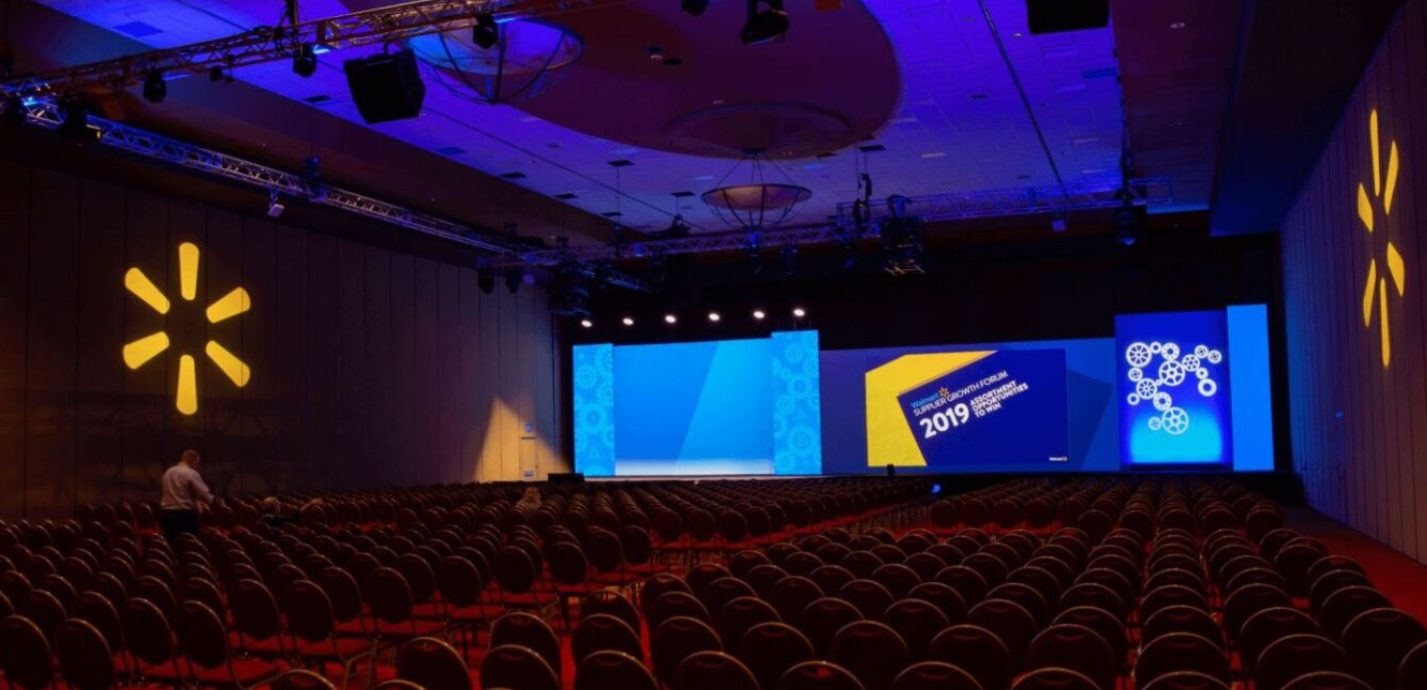
5. Success Isn’t Clearly Defined
Before discussing screens, speakers, or lighting, it’s important to answer one simple question:
What does success look like?
Whether your goal is to educate attendees, launch a product, inspire donors, or encourage social sharing, every production decision should support that objective.
When the event goals are clearly defined, decisions about screen size, audio systems, rehearsals, lighting, and content become much easier because every choice has a purpose.
Small Details Make a Big Difference
Many technical issues people associate with live events—poor audio, inadequate power, difficult-to-read screens, or skipping rehearsals—are often symptoms of planning challenges rather than equipment failures.
By starting early, understanding the venue, setting realistic expectations, and working with an experienced production partner, you can avoid many of the most common event AV mistakes before they happen.
At Bluewater, our Live Events team works alongside clients from the earliest planning stages through on-site execution, helping deliver events that are memorable, seamless, and built around each client’s goals. Bring your vision to life with Bluewater.