
Today’s higher education environments demand more from classroom technology than ever before. Faculty need tools that support hybrid learning, collaboration, and seamless content sharing. Students expect clear audio, engaging visuals, and the ability to participate whether they are in the room or joining remotely.
But technology alone doesn’t make a learning space effective. Thoughtful AV integration—designed around how people actually teach and learn—is what turns classrooms, auditoriums, and meeting spaces into high-impact learning environments.
Here are the core AV elements modern campuses need to deliver—and the outcomes they make possible.
Clear Audio That Reaches Every Student
If students can’t hear clearly, learning suffers.
High-impact learning spaces prioritize professional microphone systems, distributed speakers, and intelligent audio processing. These systems ensure instructors, students, and remote participants can hear and be heard—without distractions or feedback.
Clear audio also reduces common classroom frustrations, which leads to fewer technical support calls and more consistent learning experiences across campus.
For example, during the technology refresh at WMU Homer Stryker M.D. School of Medicine, upgraded microphones and audio systems helped support dynamic team-based learning environments where discussion and collaboration are central to the curriculum.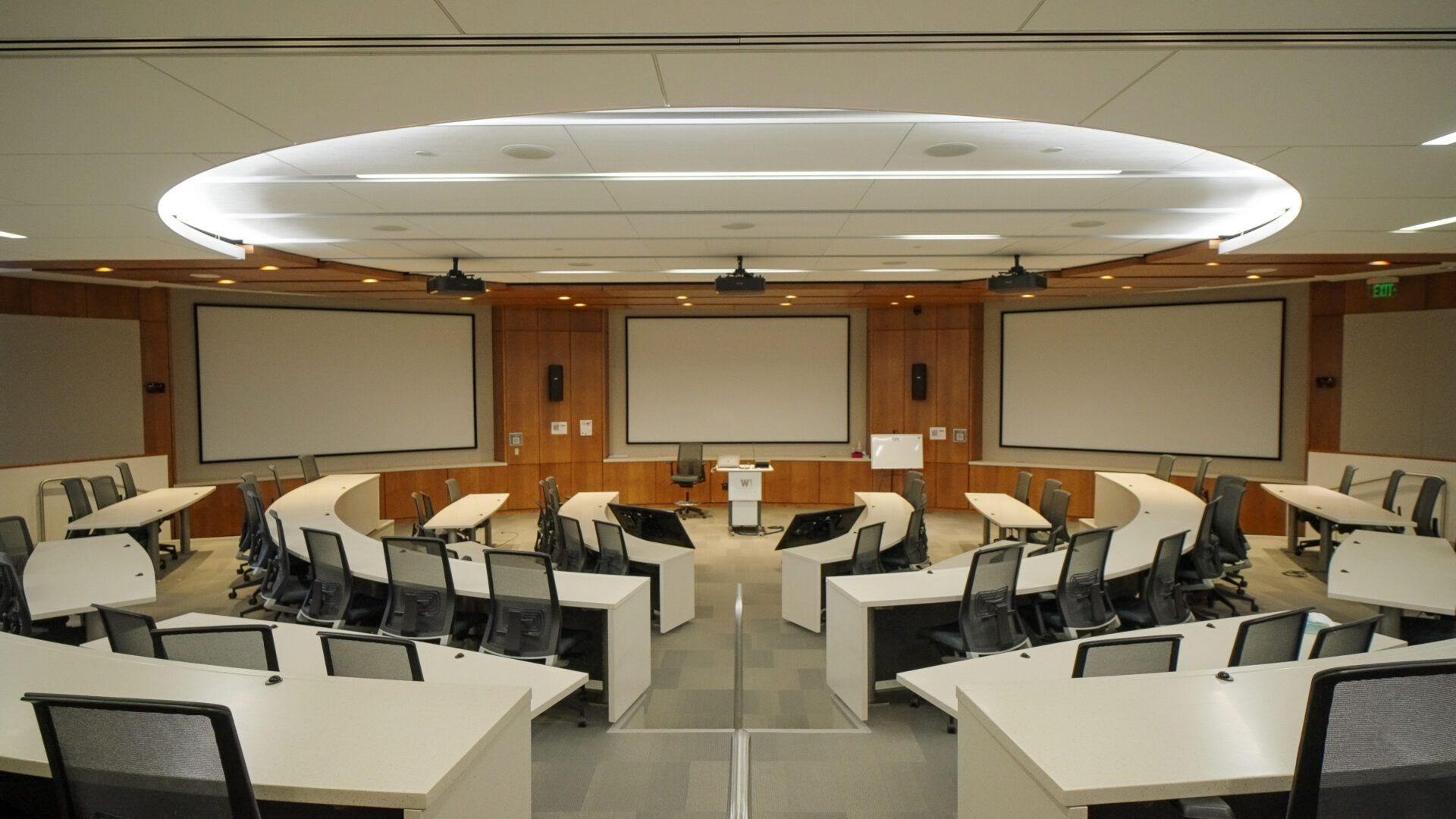
Flexible Visual Systems for Collaboration
Modern classrooms must support more than lectures. They must support active learning, shared content, and collaborative discussion.
High-impact spaces use flexible visual technologies such as:
-
Large projection systems
-
Interactive displays
-
Multi-source content sharing
-
Hybrid meeting platforms
These tools allow instructors and students to easily share ideas, present content, and collaborate across locations.
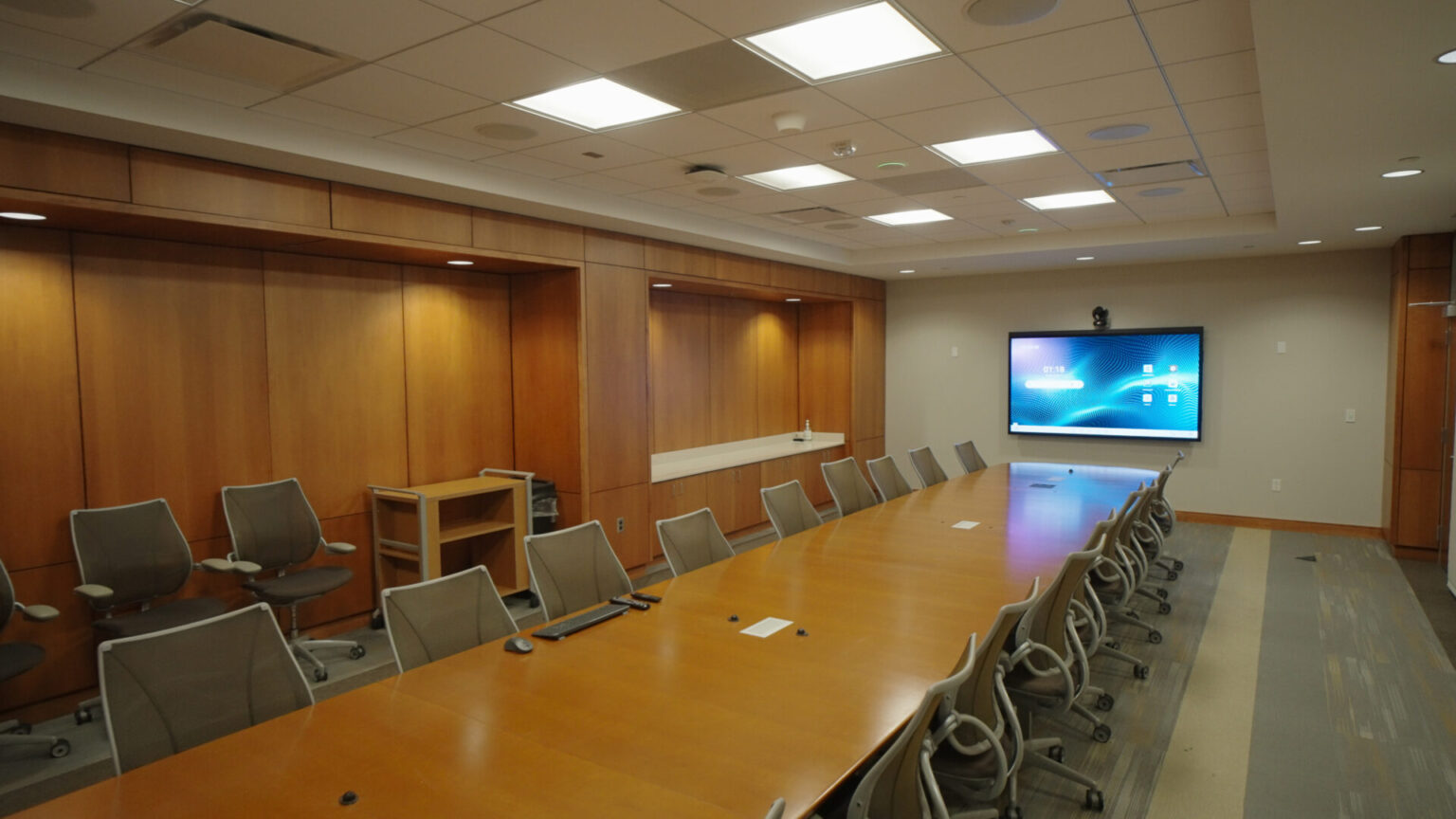
At WMU Homer Stryker M.D. School of Medicine, upgraded projection systems and collaborative AV technology now support both in-room teamwork and remote participants, creating a more engaging learning environment.
 Intuitive Controls That Simplify Teaching
Faculty should focus on teaching—not troubleshooting technology.
Intuitive control systems simplify complex AV environments into a single, easy-to-use interface. With one touch, instructors can:
-
Start presentations
-
Launch video conferencing
-
Share content across displays
-
Control lighting or projection
When systems are easy to use, instructors feel confident walking into any room on campus. This consistency across learning spaces improves adoption and reduces the need for IT intervention.
Lecture Capture and Recording
Lecture capture has become a core component of modern learning environments.
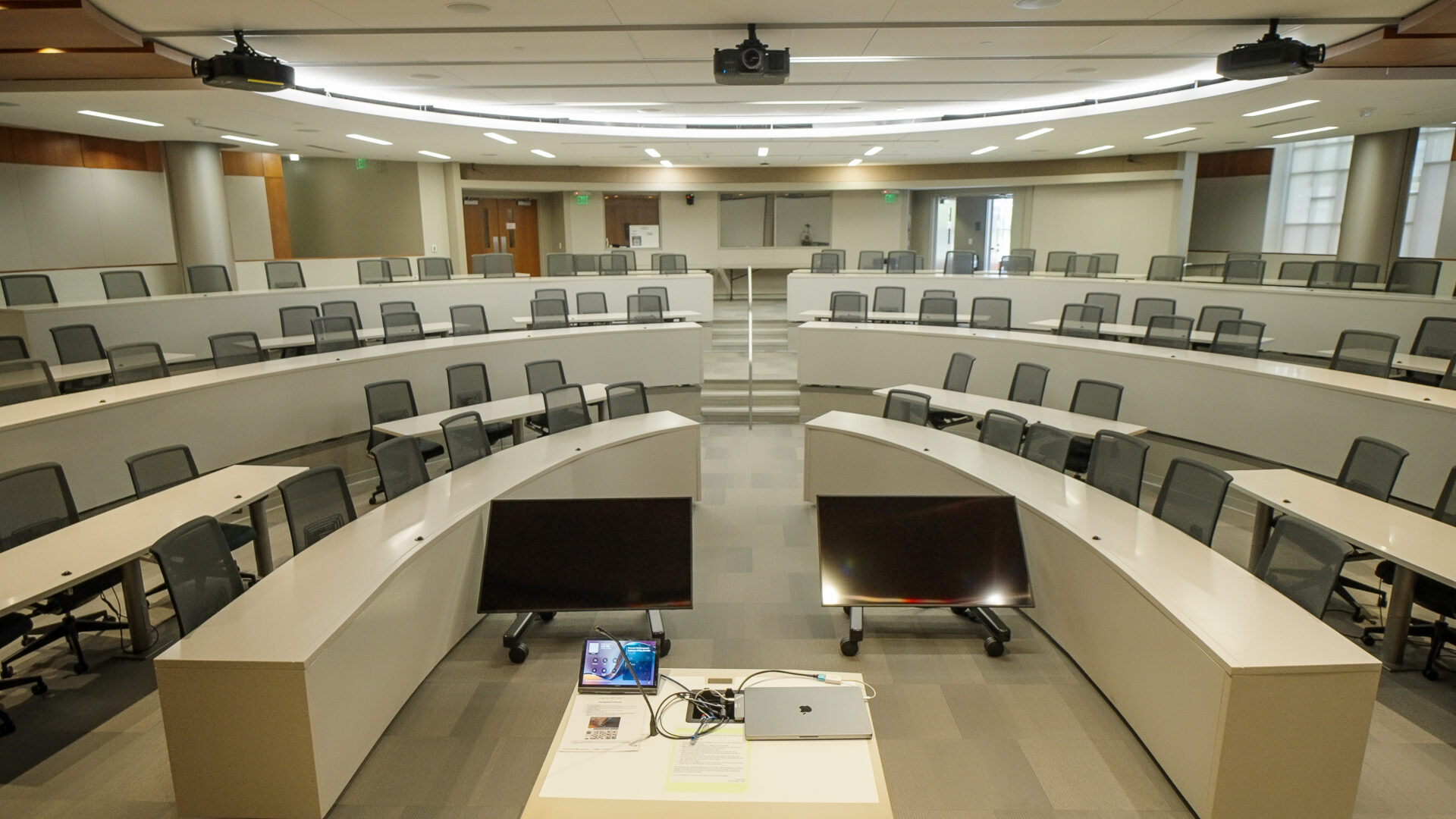
Recording capabilities allow students to review material after class, support remote or hybrid learning, and ensure accessibility for students who may need additional flexibility.
Integrated lecture capture solutions make recording simple and automatic, ensuring valuable instructional content is always available when students need it.
 Accessibility Built Into Every Space
Technology should make learning more accessible—not more complicated.
Modern AV systems support accessibility through features like:
-
Captioning support for recorded or live content
-
Clear audio reinforcement for all seating areas
-
Flexible displays that ensure visibility from anywhere in the room
By designing accessibility into the system from the beginning, universities create learning spaces where every student can participate fully.
Reliability That Reduces Support Tickets
Even the most advanced classroom technology fails if it isn’t reliable.
High-impact learning spaces require enterprise-grade equipment, proactive system design, and ongoing support. Reliable systems ensure classrooms operate smoothly day after day—without constant troubleshooting.
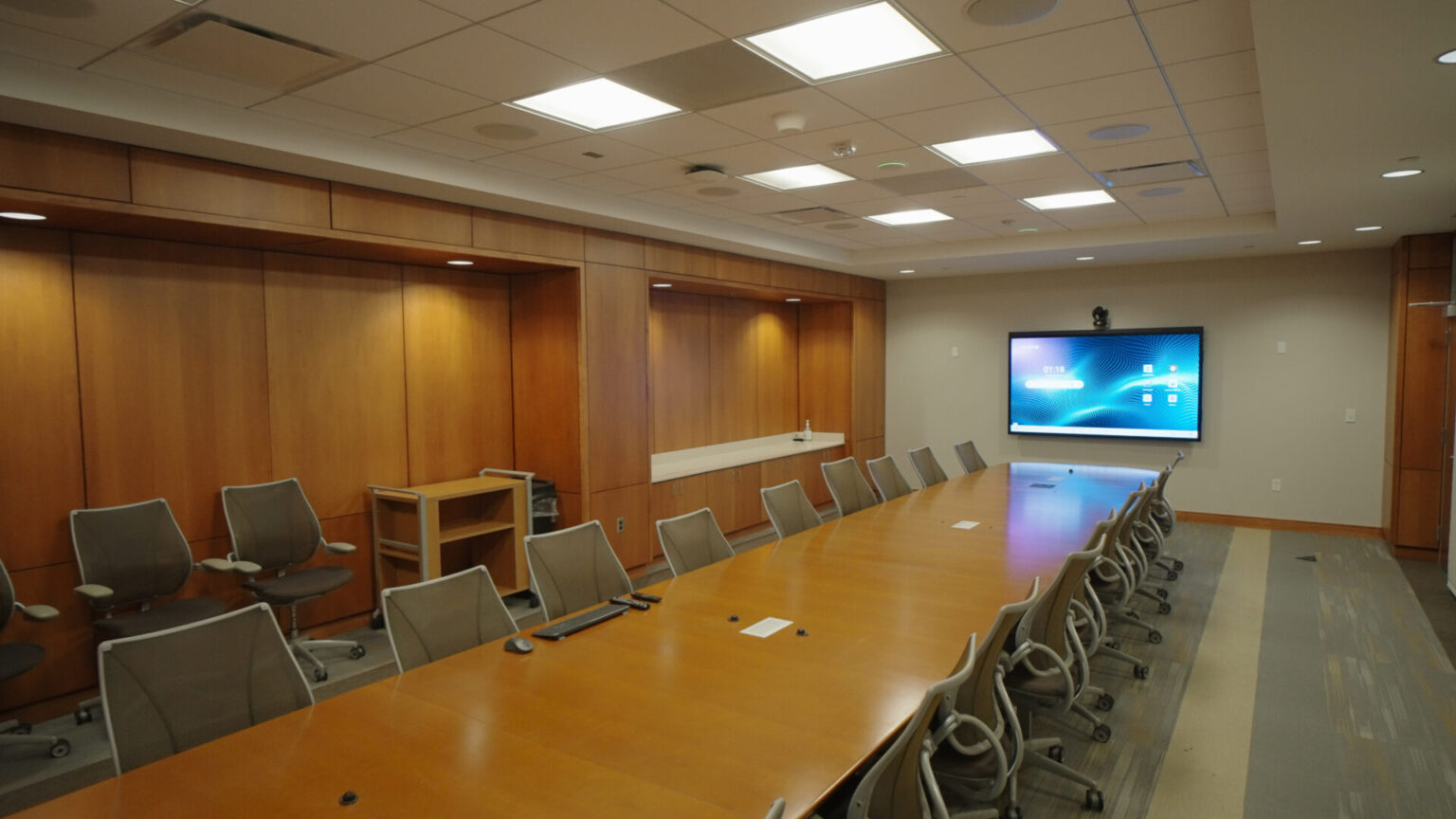
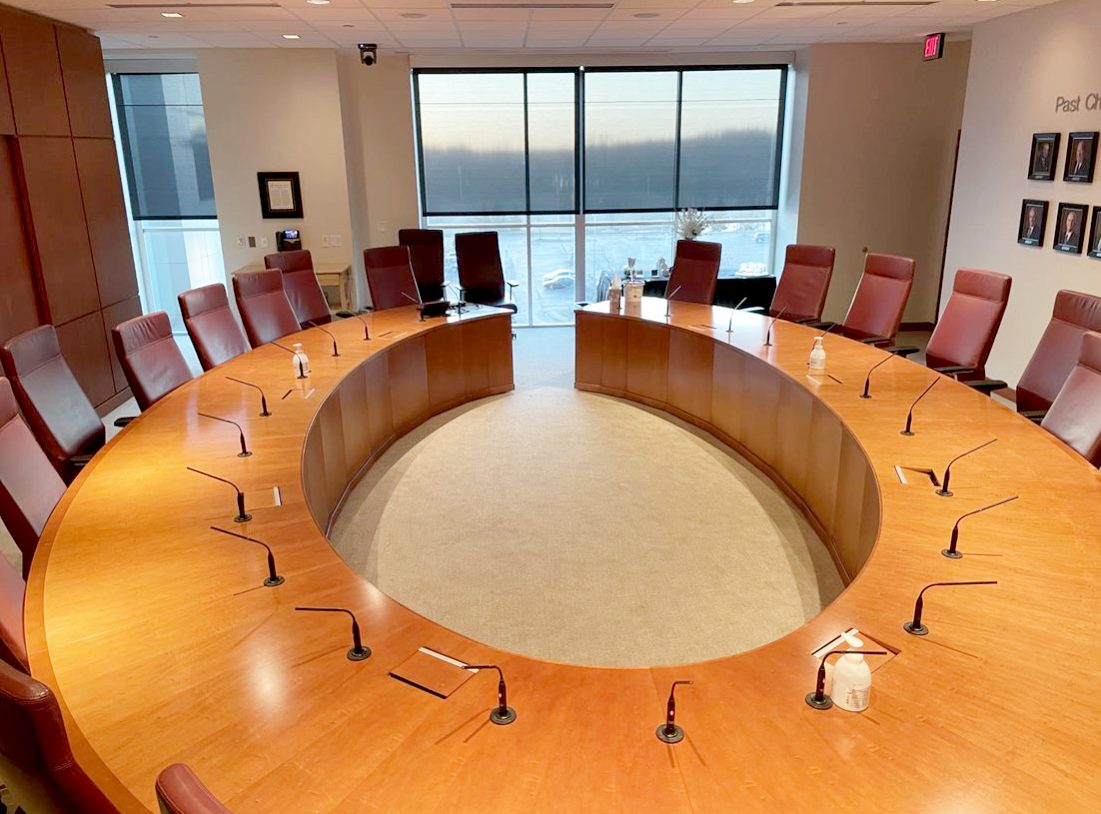
At Davenport University’s Executive Boardroom, Bluewater implemented a hybrid meeting system with 18 microphones, speaker-tracking cameras, and enhanced audio, ensuring both in-room and remote participants can collaborate effortlessly.
The result is a meeting environment where technology disappears into the background and conversations flow naturally.
 Designing Learning Spaces That Work
Creating effective learning environments requires more than installing equipment. It requires strategic planning, expert design, and long-term support.
Bluewater works with higher education institutions to deliver AV integration that supports real teaching and collaboration outcomes—from design and installation to training and ongoing service.
Projects like the WMU School of Medicine technology refresh and Davenport University hybrid boardroom demonstrate how thoughtful AV integration can transform outdated spaces into flexible, future-ready learning environments.
 Ready to Modernize Your Learning Spaces?
Today’s classrooms, boardrooms, and auditoriums must support hybrid collaboration, flexible teaching styles, and seamless technology experiences.
Bluewater’s AV integration team helps institutions design and implement learning environments that work—today and into the future.
Have a project in mind? Let’s start the conversation.