
Modern workplaces have changed.
Teams are hybrid. Meetings happen across rooms, cities, and time zones. Presentations need to feel seamless whether someone is sitting at the table or joining from a screen. Offices are no longer just places where people work. They are environments that need to support collaboration, communication, culture, and connection.
So why do so many modern offices still feel disconnected?
The displays are installed.
The conference rooms are equipped.
The microphones are in place.
The video conferencing platform is ready to go.
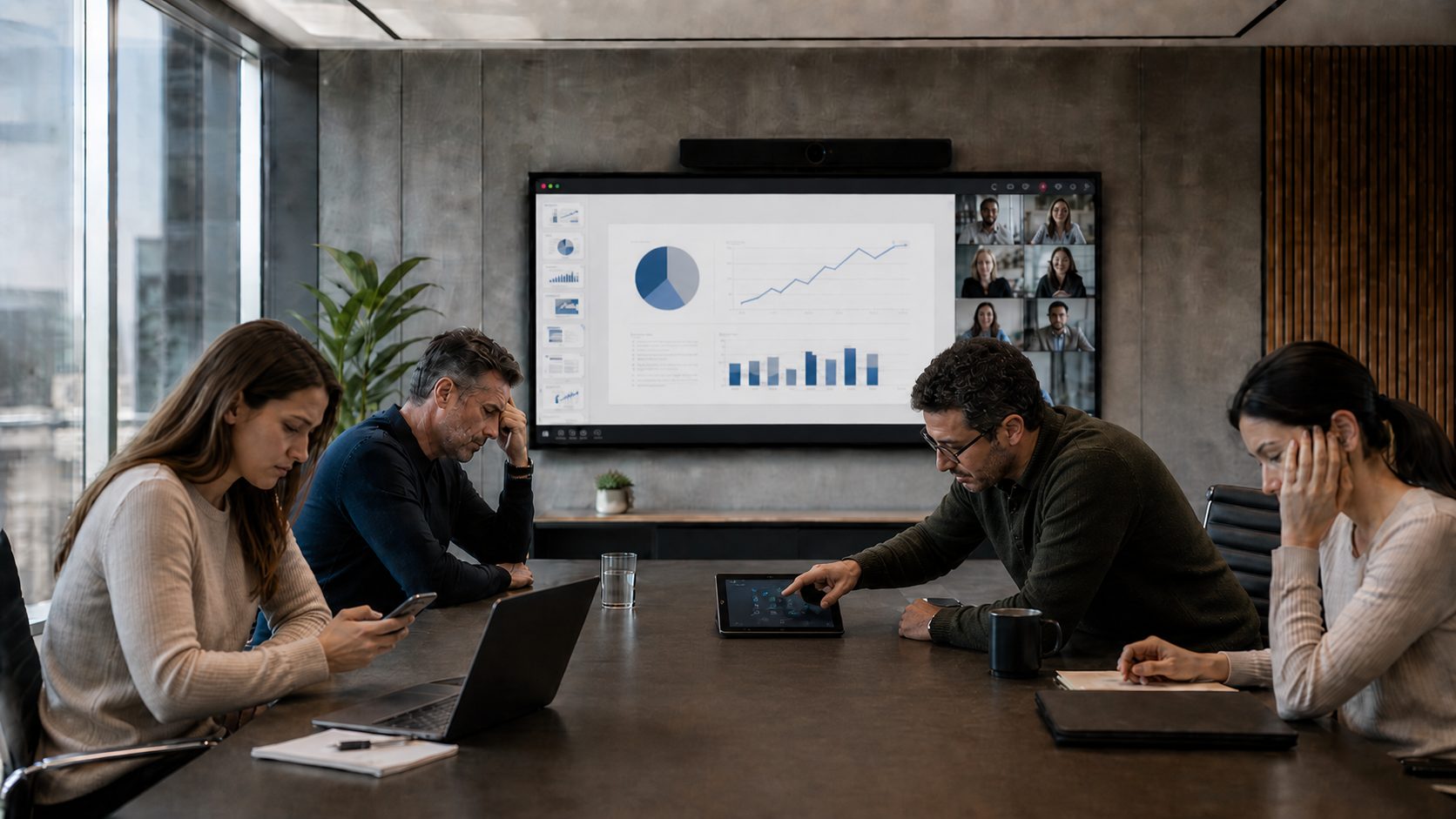
But meetings still start late. People still struggle to connect. Hybrid attendees still feel like an afterthought. Employees still avoid certain rooms because they are too complicated, unreliable, or inconsistent.
That is not just a technology problem.
It is a workplace experience problem.
The Workplace Experience Gap
This disconnect happens when the technology, layout, and systems inside a workplace do not fully support the way people actually need to meet, present, collaborate, and communicate.
On paper, the room may have everything it needs. But in practice, the experience feels clunky.
Maybe the system requires too many steps to start a meeting. Maybe the audio is inconsistent. Maybe remote participants cannot clearly hear the conversation in the room. Maybe the display setup works for one type of meeting, but not another. Maybe employees simply do not feel confident using the space.
Individually, these frustrations may seem small.
But over time, they create real friction between people, spaces, and the work they are trying to do.
When the Office Gets in the Way
The modern office should make collaboration easier. When it doesn’t, people adapt.
They start meetings late because someone is troubleshooting the room.
They avoid certain rooms because they do not trust the technology.
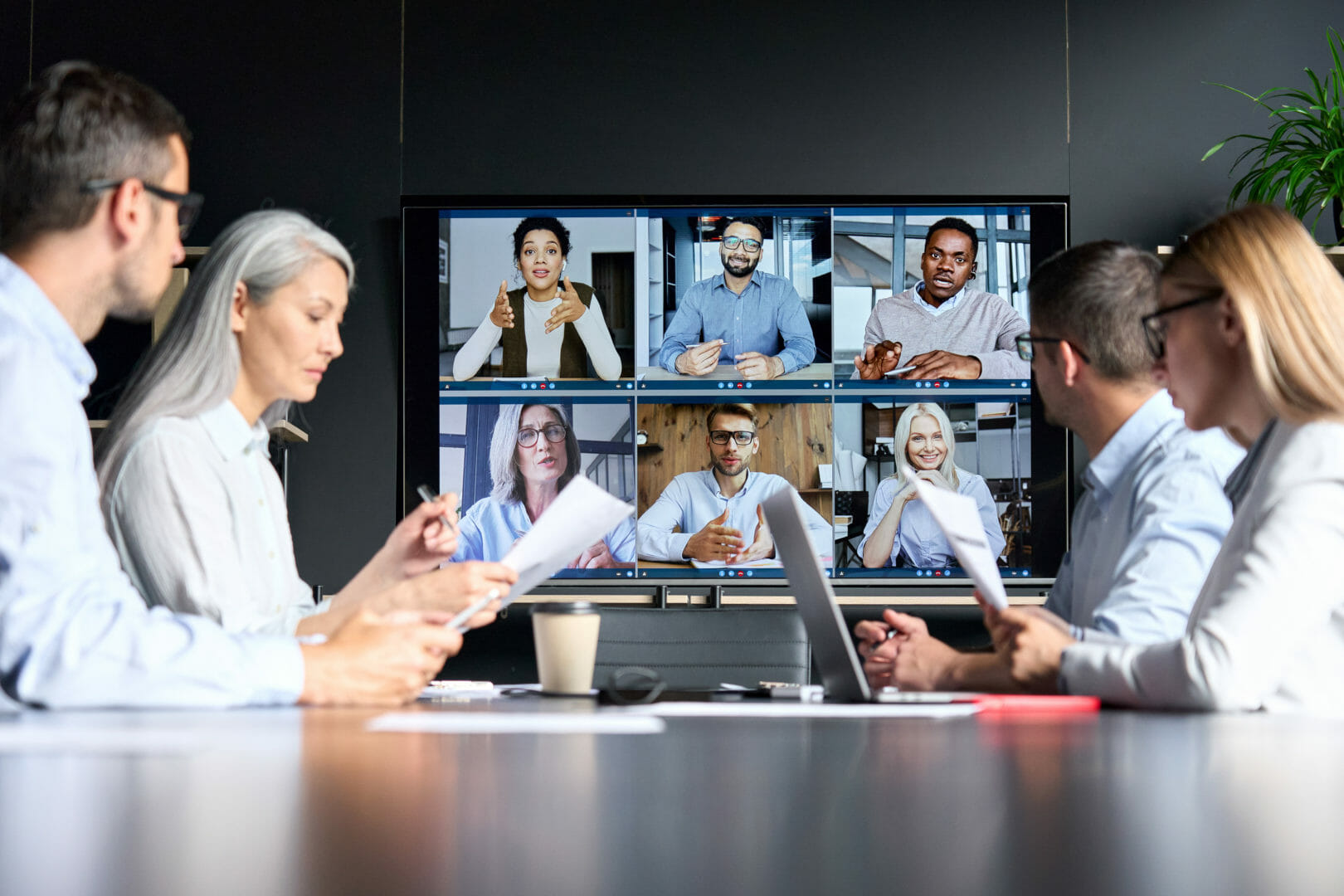
Remote employees struggle to participate because they cannot hear clearly, see the right content, or feel fully included in the discussion.
Leadership teams invest in beautiful offices and high-end systems, only to find that people are still not using the spaces the way they were intended.
That is the real cost of the Workplace Experience Gap.
It is not just wasted time. It is missed collaboration, reduced confidence, and a workplace that feels less connected than it should.
Designing Around the Human Experience
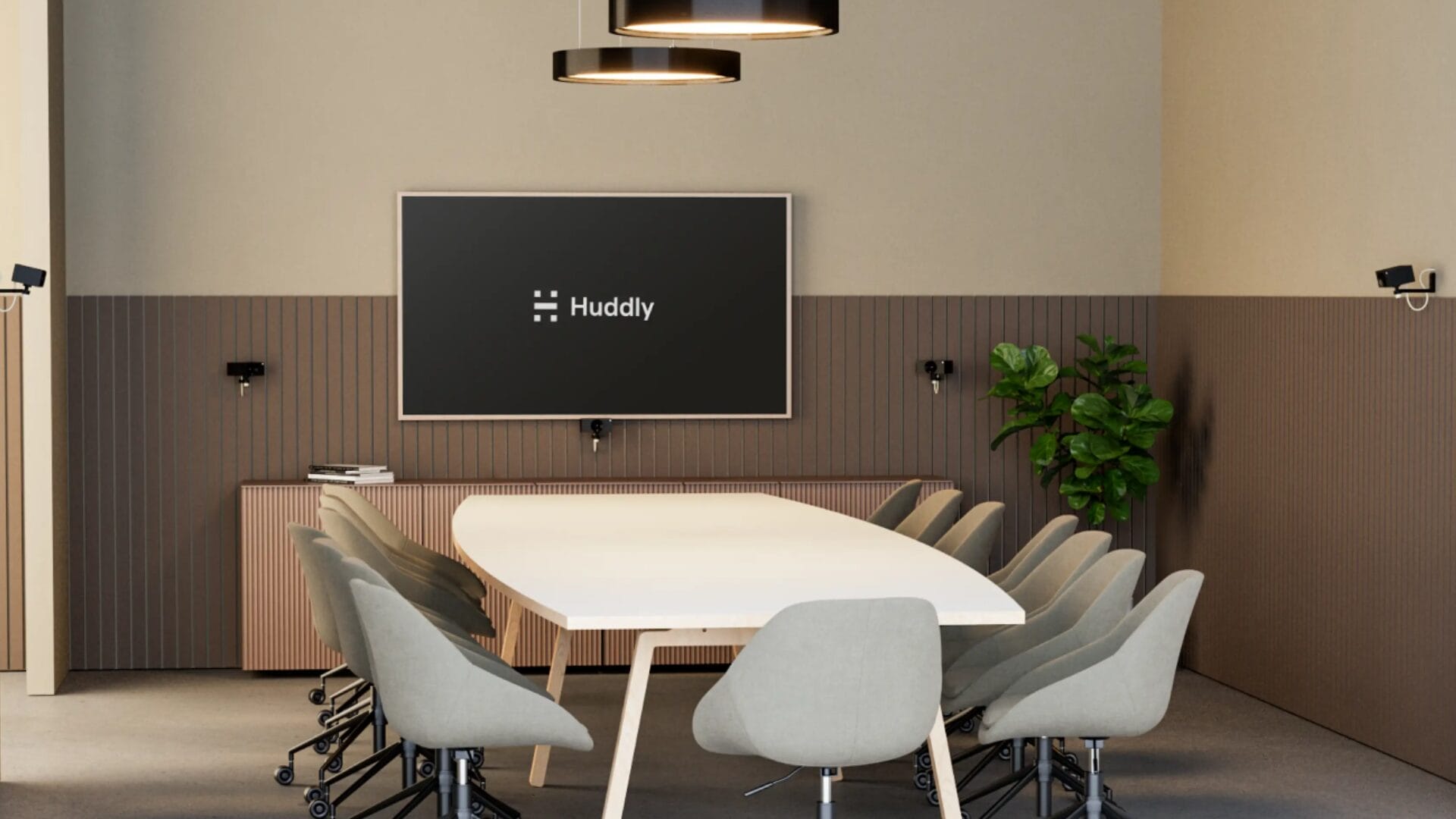 The fix starts with a different question.
Instead of asking, “What technology should we put in this room?” organizations should ask, “What experience does this space need to support?”
Is this a space for executive presentations?
Hybrid team meetings?
Training sessions?
Client-facing conversations?
Creative collaboration?
Company-wide communication?
Each of those use cases requires a different approach.
A successful AV environment is not just about the equipment. It is about how that equipment works together to support the people in the space.
That means thinking through visibility, audio quality, ease of use, room control, content sharing, remote participation, and long-term support from the beginning.
Because when workplace technology is designed around real human behavior, the result is simple: people use it with confidence.
Creating Workplaces That Connect
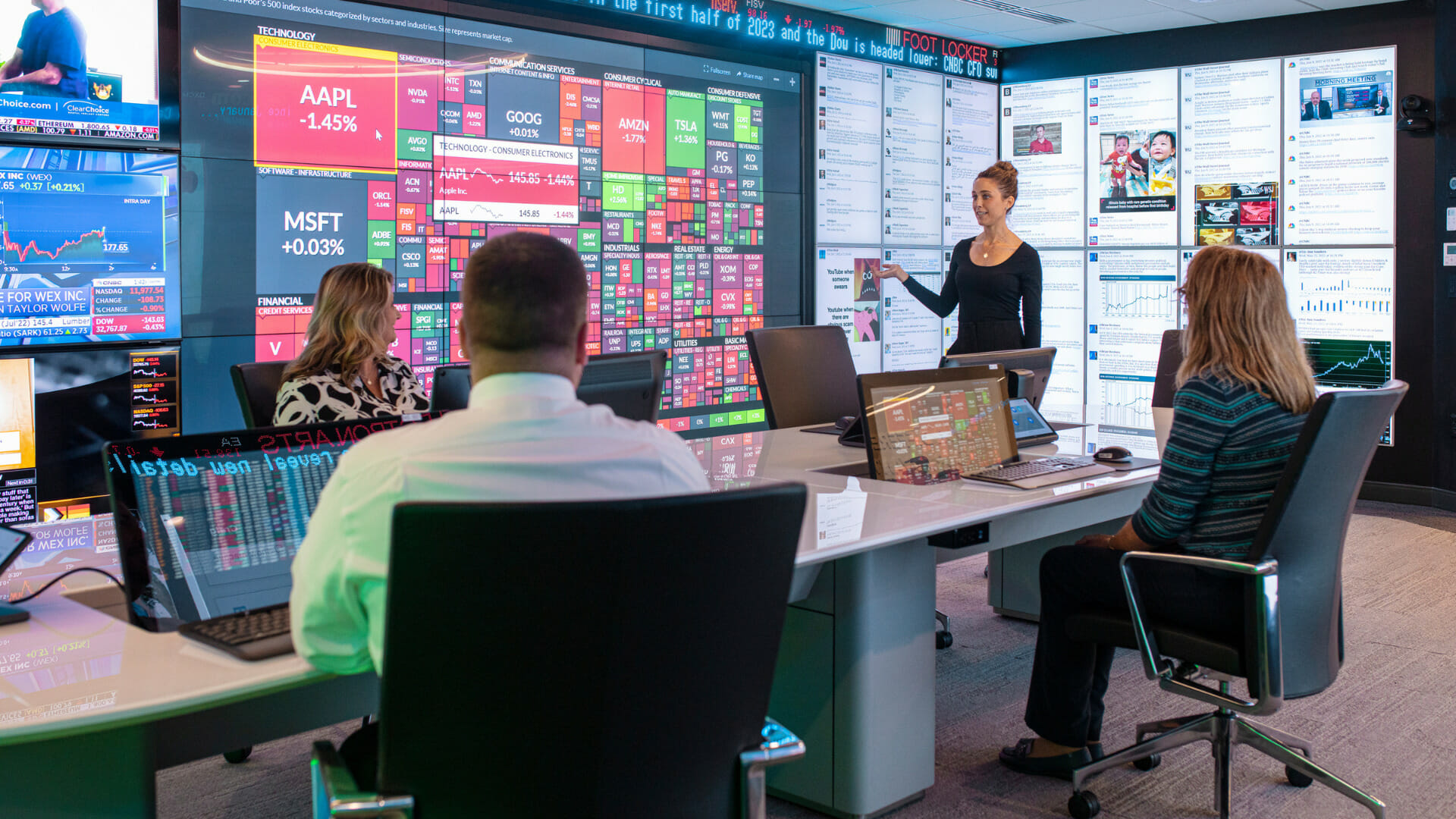 If your team is struggling with unreliable meeting rooms, disconnected hybrid experiences, or workplace technology that feels harder than it should, it may be time to look beyond the equipment.
The issue might not be what technology you have. It might be how that technology is shaping the experience.
At Bluewater, we help organizations close the Workplace Experience Gap by creating connected, intuitive AV environments that make meetings smoother, communication clearer, and spaces more useful.
From conference rooms and training spaces to executive boardrooms, lobbies, command centers, and full workplace environments, our team designs and integrates technology around the way people actually work.
The goal is not to add technology for the sake of technology. The goal is to remove friction and create spaces that supports connection instead of complicating it.
Because the best workplace technology should not make people think harder. It should make connection easier.
Ready to make your workplace work better for your people? Let’s talk.