
Sponsorship buys attention. Experience earns participation.
A sponsorship can put your brand in front of people, but it can’t guarantee they will engage. That is the difference brands are feeling more than ever. A sponsorship buys attention. Experience earns participation. And participation is what drives the outcomes you actually want: recall, affinity, and action.
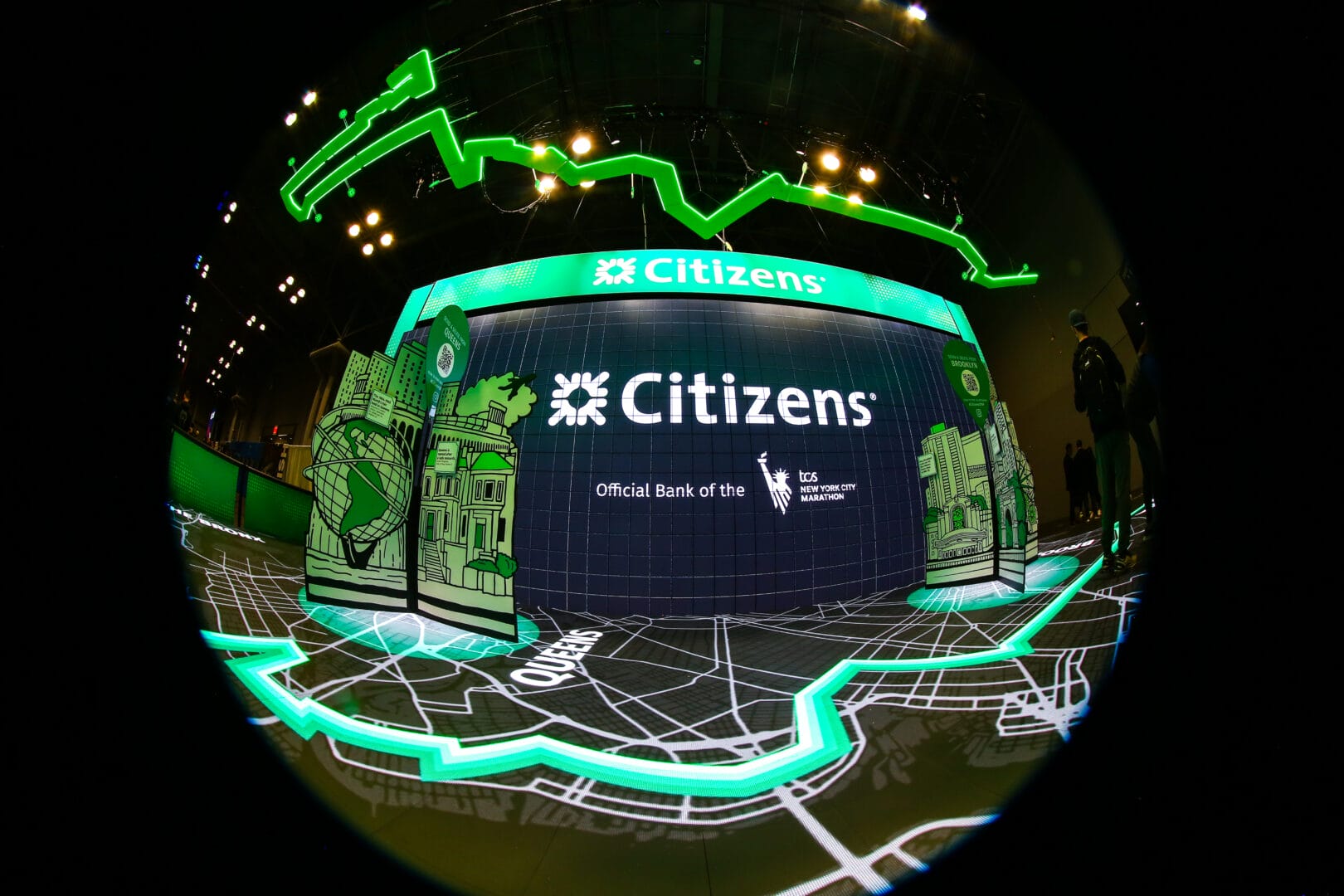 Visibility is easy. Being remembered takes effort.
Traditional sponsorships are often built around placement. Where the logo goes. How many mentions happen. What the footprint looks like on a map. That visibility matters, but it is passive. Audiences are not. People remember what they did, what they felt, and what they were excited to tell someone about afterward.
“Sponsorships create awareness, but experiences create emotion and emotion is what helps drive you to remember.,” says Andy Makins, Sr. Director of Client Services (Live Events) at Bluewater. “The brands that win today aren’t just showing up, they’re inviting people to be part of something special.”
Participation is the bridge between presence and recall
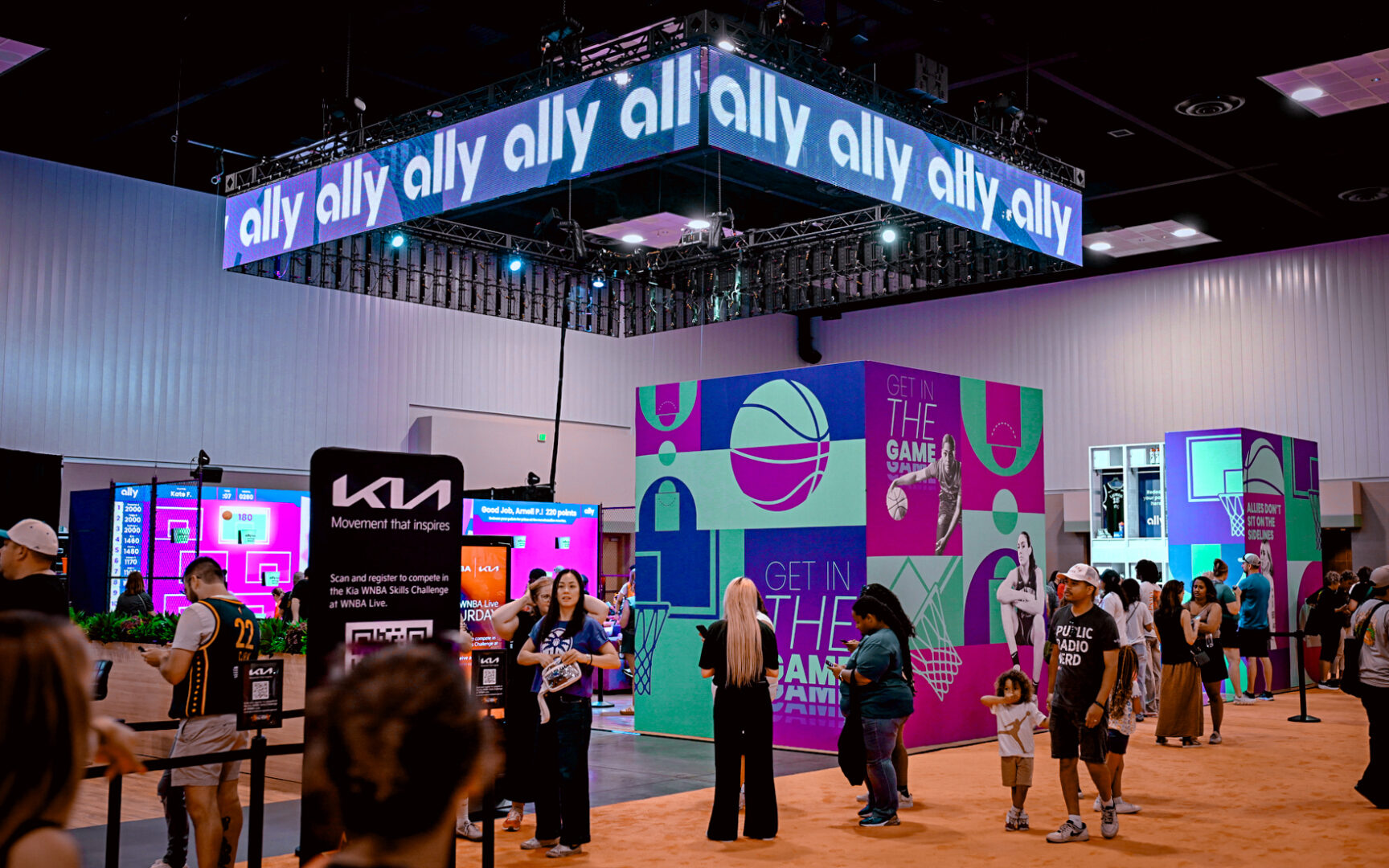
When someone actively participates, your brand stops being background noise and becomes part of their story. That is why the best sponsorship activations are not just branded spaces. They are branded moments. The goal is not to display your logo louder. The goal is to give people a reason to step in, try it, smile, compete, and walk away thinking, that was awesome.
What experience does that sponsorship alone cannot
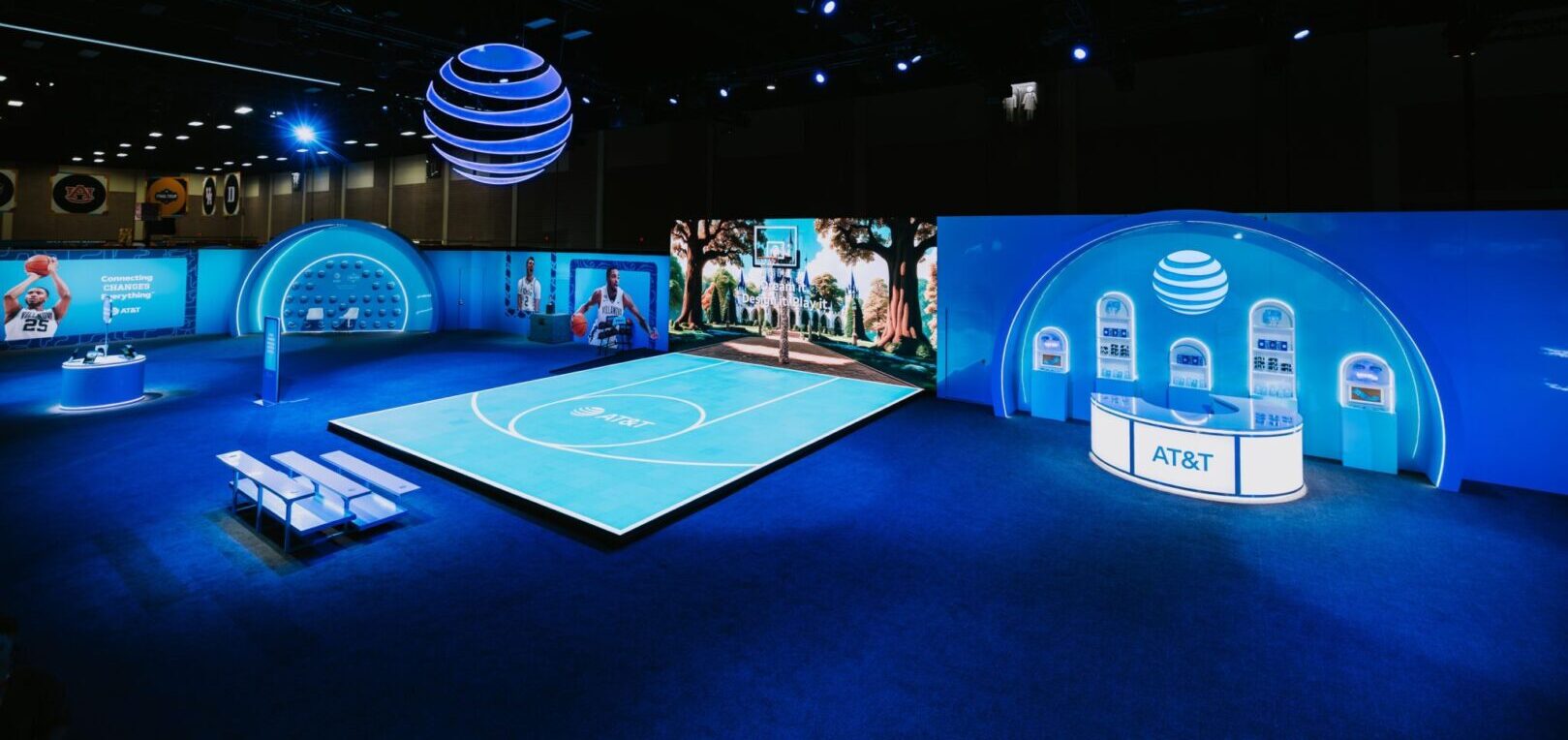
A well-designed experience does three things sponsorship placement cannot consistently deliver on its own. It draws people in. It keeps them engaged long enough to make an impression. And it ties the brand message to something the audience personally did.
This is why interactive activations work. They do not rely on the audience to be impressed. They invite the audience to be involved.
Example: Ally’s Sponsorship of the USGA
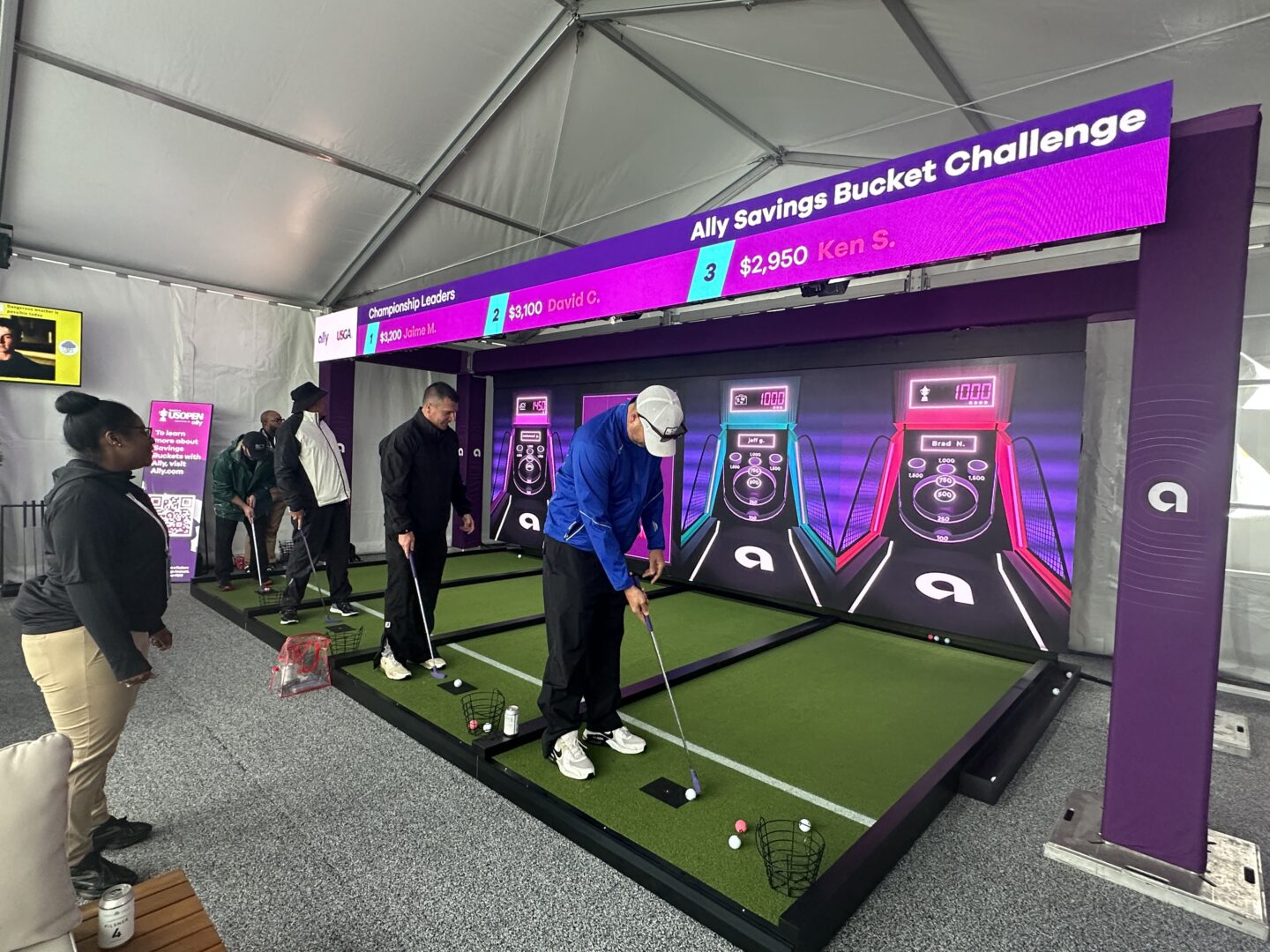
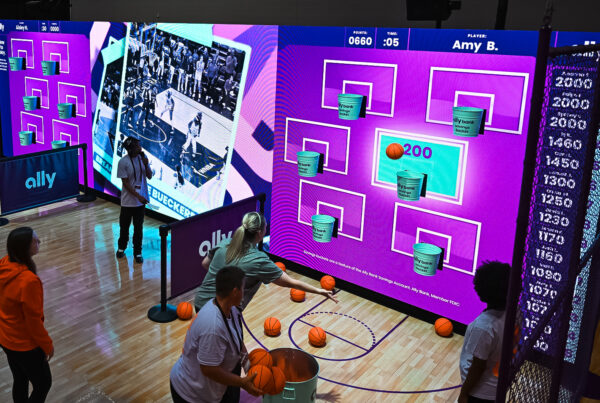
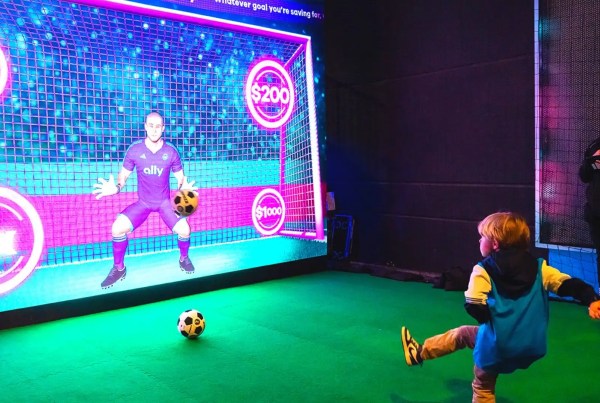
One strong example is Ally’s sponsorship of the USGA. The activation was a unique fusion of putt putt and skee ball, which made people stop and immediately want to try it. It was fun, different, and easy to understand in seconds. It also kept the sponsorship messaging on point by incorporating Ally’s Savings Buckets into the experience, so the branding felt connected to what participants were actually doing.
That is the difference between being seen and being remembered. When the message becomes part of the interaction, it sticks.
Example: Capital One at the Orange Bowl
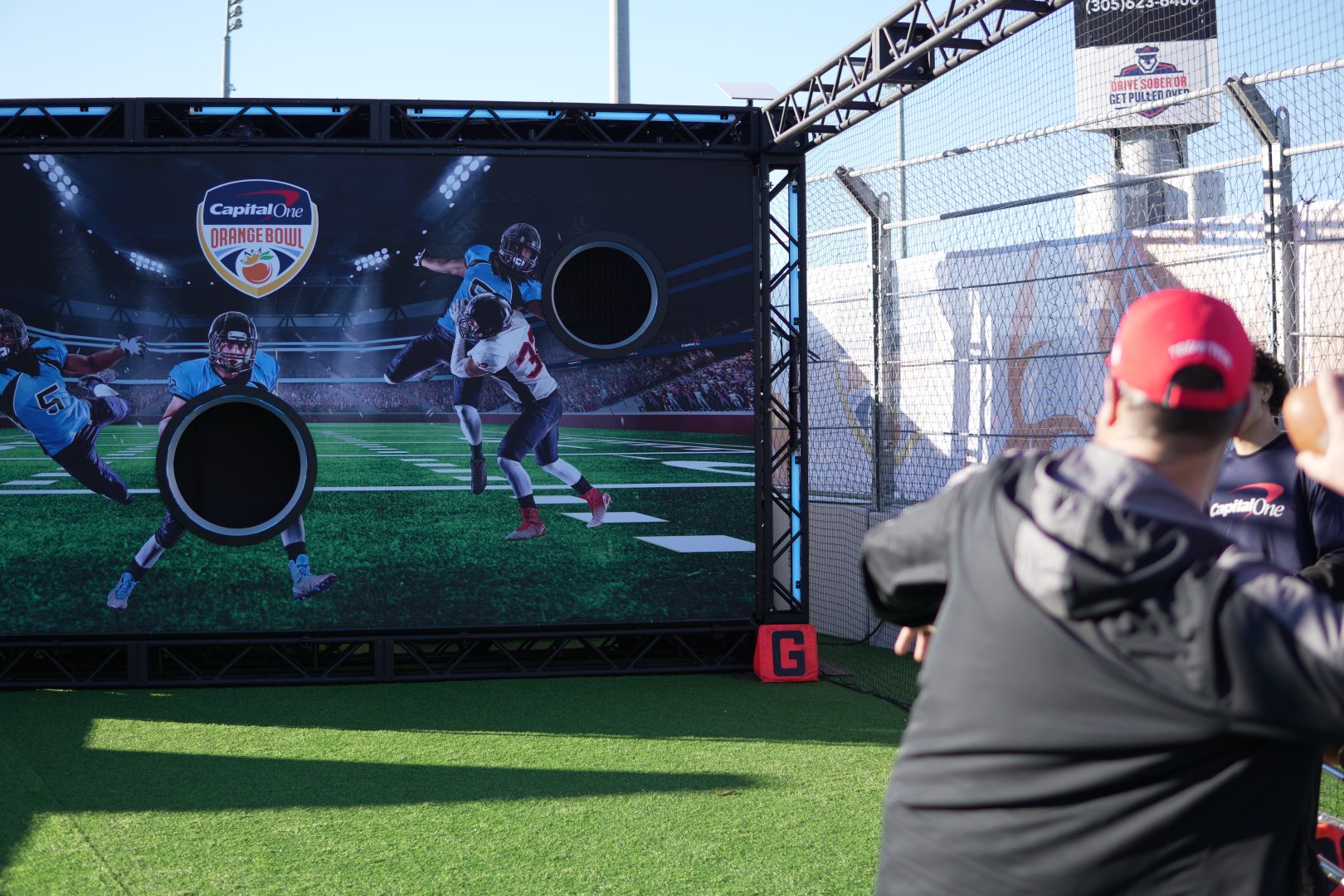 When Capital One showed up to the Orange Bowl, they did not rely on passive visibility. The footprint was designed around an interactive quarterback challenge that people could join, not just walk past. When you build an experience that invites participation, your brand gets associated with the energy of that moment. That is what people recall later.
Example: Citizens at the NYC Marathon
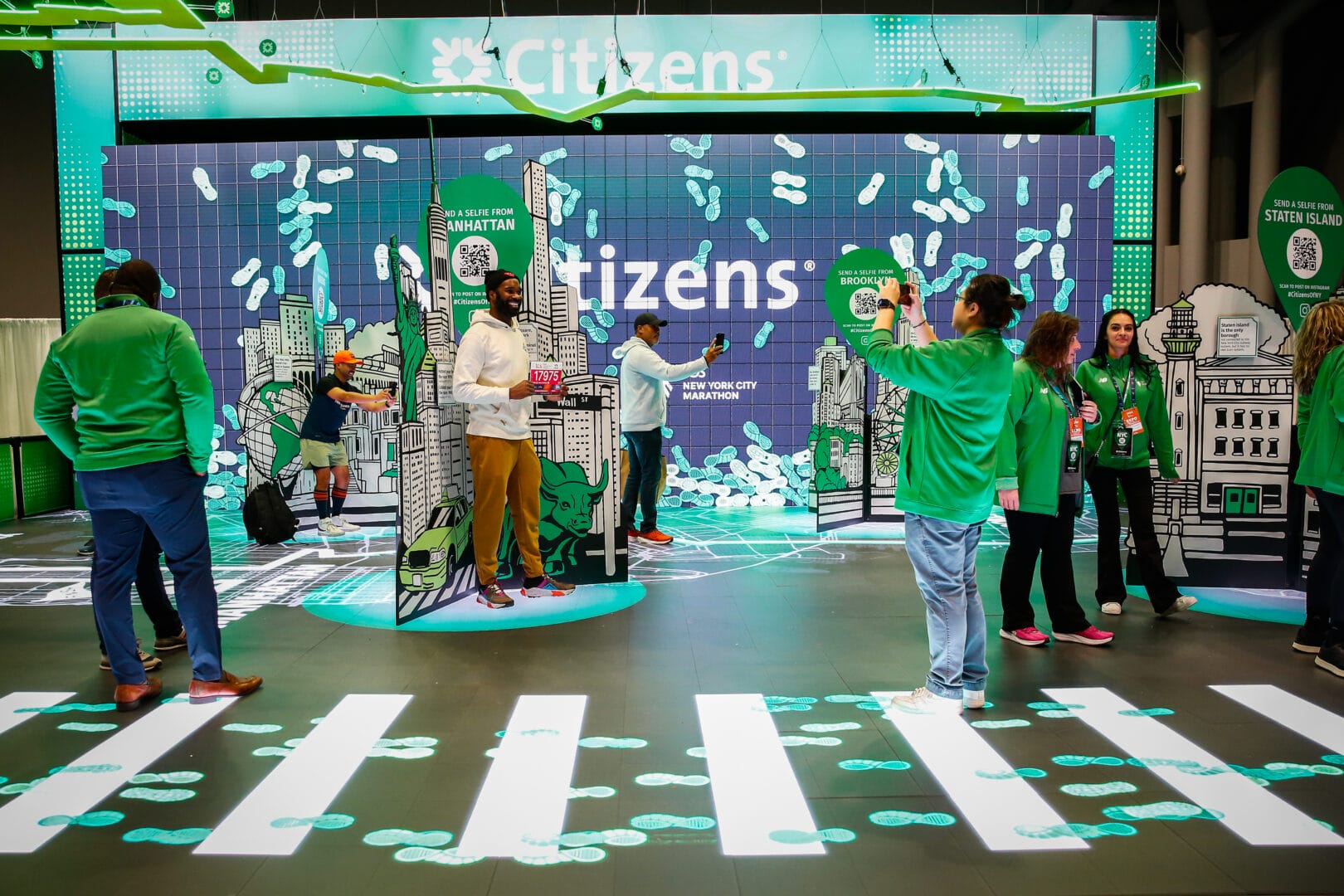
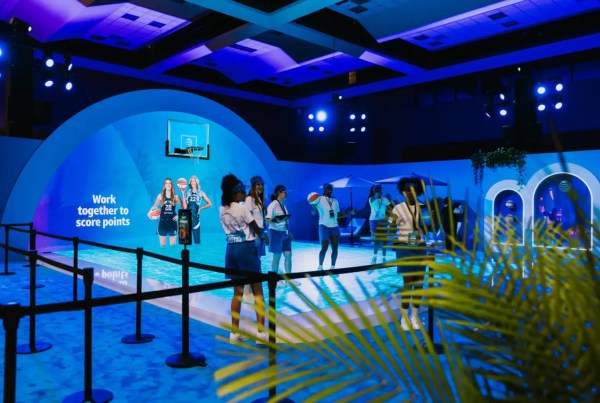
In a trade show environment, attention is split in every direction. At the NYC Marathon Expo, the Citizens booth was designed to pull people into a multi-sensory journey that mirrored the NYC Marathon route. Instead of a quick walk-by, attendees could move through interactive exhibit zones inspired by different boroughs, with an interactive LED floor and backdrop, custom lighting, and elements that made the space feel like something you explored, not just visited. QR code selfie stations along the route gave people an easy reason to stop, capture the moment, and share their experience, which naturally increased time spent in the booth and helped the brand stick.
Engagement creates momentum
Here is the bonus brands do not always plan for, but always benefit from. When an activation is genuinely cool and people feel like they were part of it, they share it. That is momentum.
One post is nice. But when dozens or hundreds of attendees share photos and videos, the visibility of that sponsorship grows far beyond the event footprint. And unlike paid media, that social engagement is essentially free distribution powered by your audience. It also lasts long after the event ends because the content keeps living online.
The takeaway
Sponsorships will always have value. But presence alone does not create preference. Experience does. When people participate, they stay longer. When they stay longer, they remember more. When they remember more, they are more likely to choose you later. That is the compounding effect of designing for participation instead of relying on placement.
How Bluewater elevates sponsorship activations
At Bluewater, we help brands transform sponsorships into experience-led activations that earn participation and build real brand recall. From interactive games and challenges to tech-forward environments that make people stop, engage, and share, we design moments that turn brand presence into measurable impact. Have a project in mind? Contact us today to get started.