
Live events are evolving fast—and in 2026, the experiences that win won’t just look impressive. They’ll feel intentional, invite participation, and build momentum beyond the moment.
We asked Jim Vurpillat, Sr. Director of Strategy & Client Services (Live Events) at Bluewater, what he’s seeing shift across clients, formats, technology, and ROI. Here are the biggest 2026 event trends shaping live experiences right now—straight from the field.
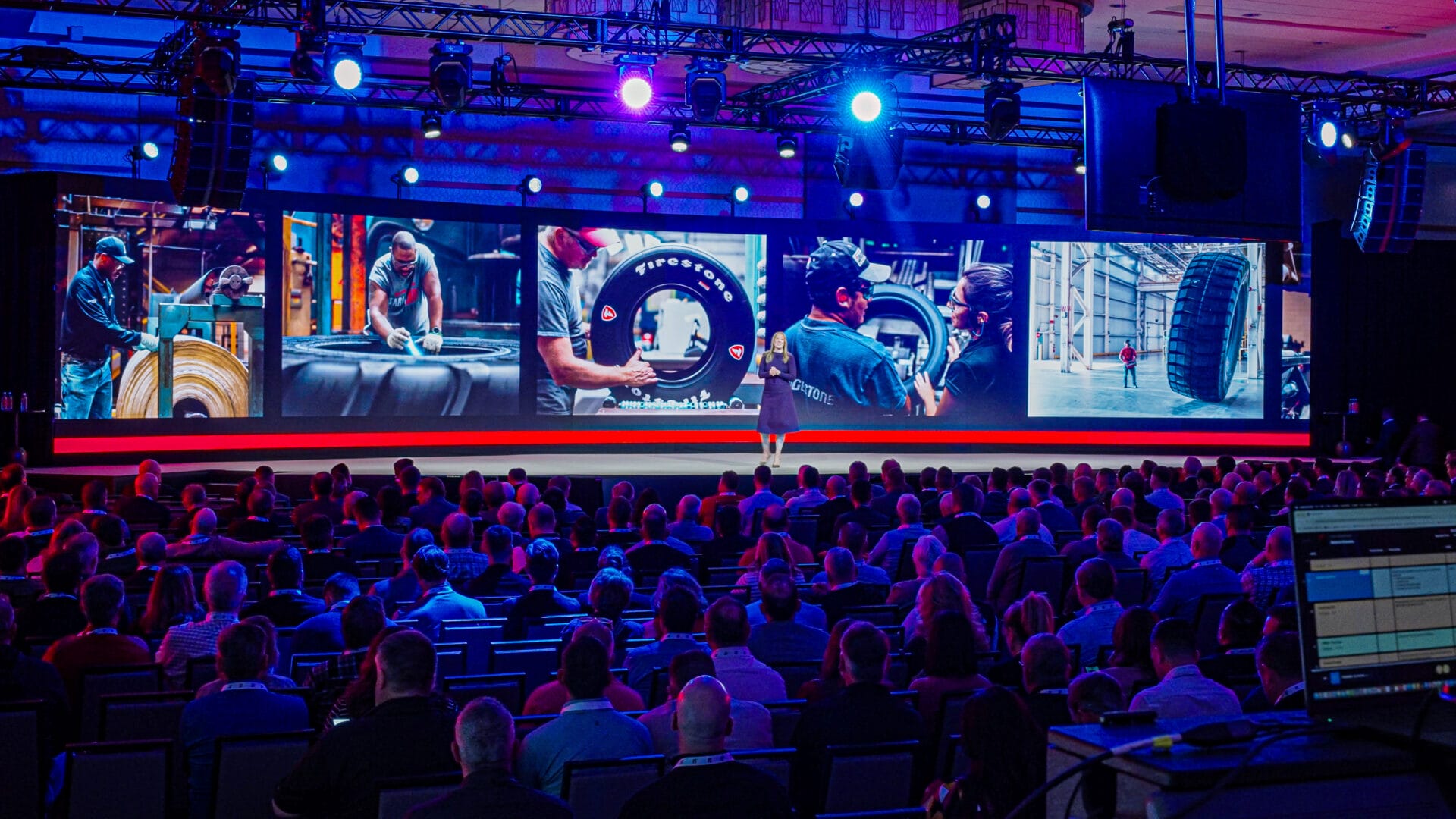
Bridgestone Core Tire Summit
What’s the biggest shift you’re seeing in live events as we head into 2026?
Live events are being designed less as standalone moments—and more as an essential chapter in a broader engagement strategy. The throughline is connection: people want to feel part of something, not marketed to. Jim notes:
“Live events are no longer isolated moments—they’re essential in ongoing engagement strategies. Buyers and fans are craving connection and not transactional interactions.”
What trends are you seeing clients lean into more and what are they pulling back on?
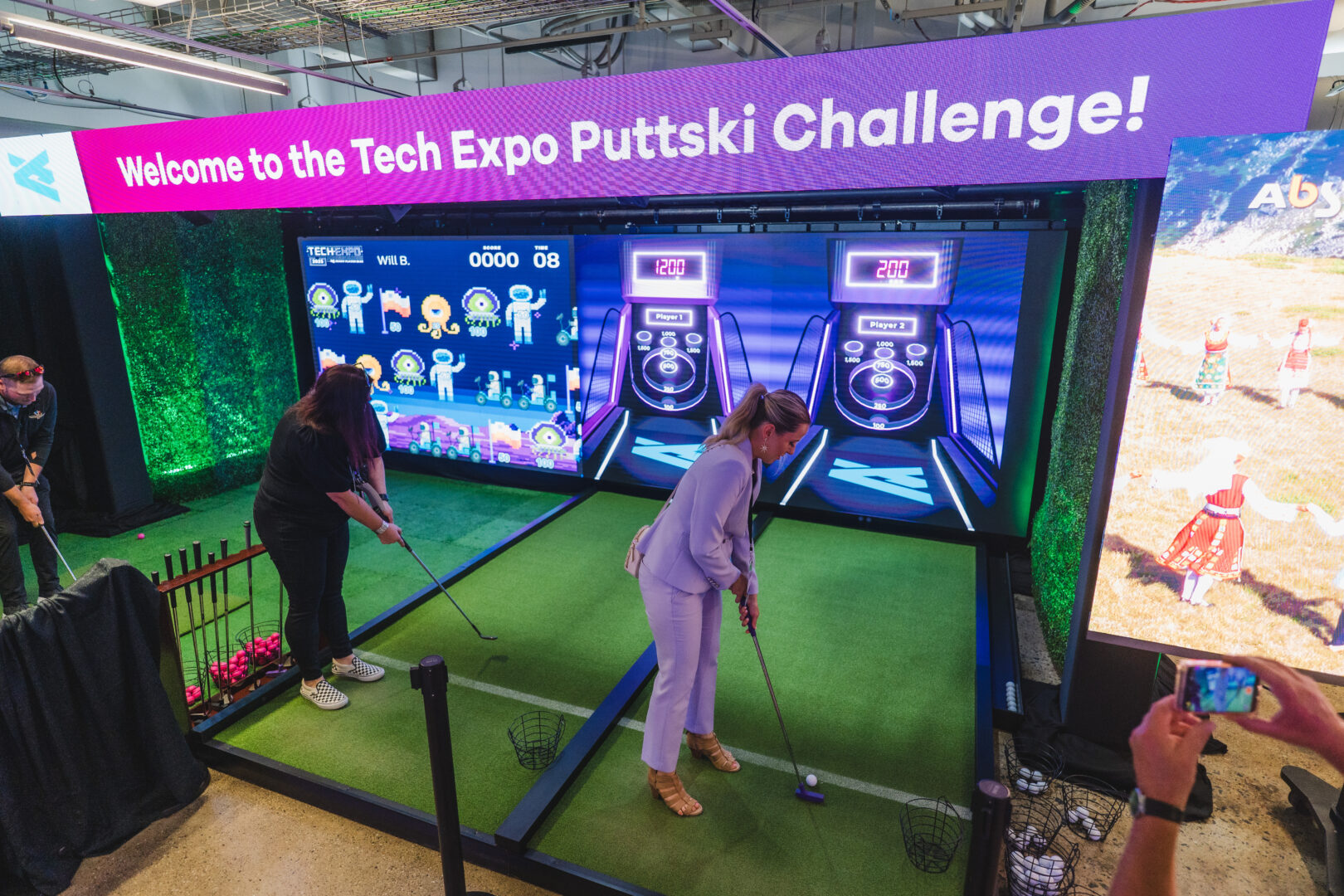
Clients are leaning heavily into true attendee experience—especially where technology helps blend the physical and digital to deepen engagement. The focus is on creating moments that feel immersive, interactive, and worth showing up for. Jim shares:
“Clients are leaning heavily into engagement and giving the attendee an experience. The use of technology—bringing the physical and digital together—to produce engaging and enhanced experiences.”

Ford Racing 2026 Season Launch
How are attendee expectations changing?
Attendees are expecting events to be more intentional—better designed, more respectful of their time, and more personal. The big shift: participation over observation. Jim explains:
“Attendees are expecting better designed moments/experiences that respect their time, attention, and individuality. Participation vs observation. Passive experiences are dated. Attendees are expecting meaningful moments.”
What event formats are performing best right now?
The most effective formats aren’t defined by length or style—they’re defined by how active the attendee is. Anything that moves someone from passive consumption to shaping the experience tends to drive stronger engagement. Jim notes:
“Any format that actively engages the participant and moves them from a passive participant to helping shape the event will yield a much stronger level of engagement.”
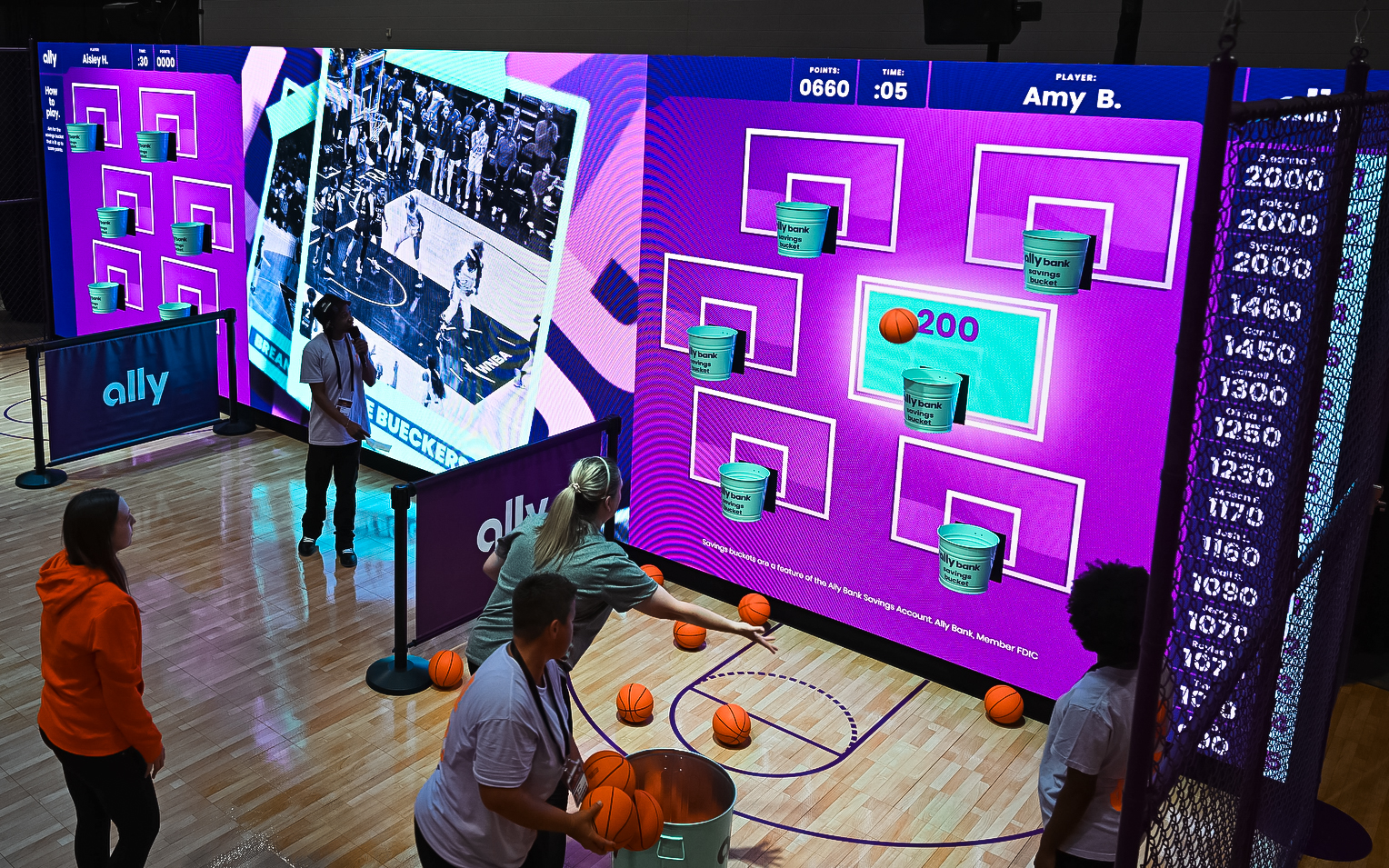
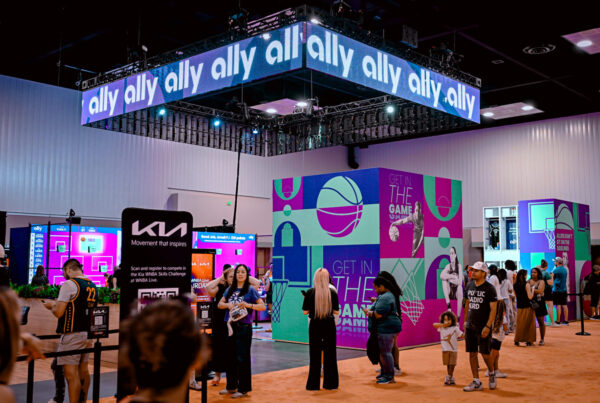
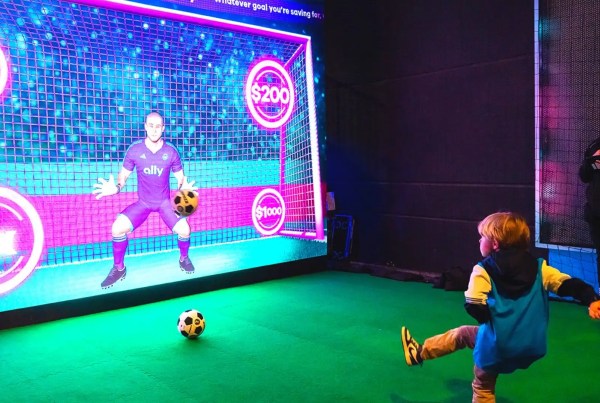
Ally Fan Zone at WNBA All-Star Weekend
Where do you see experiential/interactive elements showing up most in 2026 events, and why there?
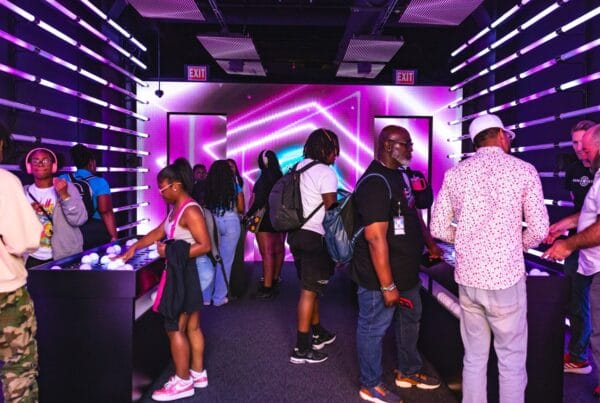
Interactive moments are showing up where they can make the biggest emotional impact—especially arrival moments and first impressions, plus areas built for exploration like Fan Zones. Brands are shifting from exposure to connection. Jim shared:
“Attendees are crossing over from spectator to participant. Opportunities lie within arrival moments, first impressions. Fan Zones—no more of just logo exposure to now participation/connection with brands.”
What’s one “trend” you think is overhyped and one you think is underrated but real?
The overhyped trend: complex activations that look great on paper but create friction in real life (lines, confusion, heavy staffing). The underrated trend: thoughtful design that makes participation easy and natural.
“Overhyped—complex activations that create friction (lines, confusion, staff support issues) and end up engaging fewer people than intended. Underrated—thoughtful designs that help people participate, not just attend.”
How are brands approaching content in 2026?
While content strategy depends on objectives, there’s been a clear shift toward storytelling—making the experience feel connected, intentional, and emotionally resonant instead of purely informational. Jim explains:
“This is varied based on client objectives, but there has clearly been a shift towards storytelling over the past few years.”

RCI Lounge at ARDA
What production or tech choices are delivering the best impact right now?
The standout “choice” isn’t any single technology—it’s designing the entire environment so every element works together. The goal is a cohesive world that supports the story and elevates the experience. Jim notes:
“The emphasis isn’t on any particular technology, but rather a focus on the entire environment. All of the elements need to work together in order to drive a cohesive and elevated brand experience.”
How are measurement and ROI expectations evolving?
Clients are increasingly prioritizing engagement metrics over raw lead volume. The thinking is simple: when engagement goes up, the outcomes usually follow. Jim explains:
“We are seeing more focus on engagement metrics than simply the number of leads. We are finding that as the engagement levels and corresponding metrics increase that the outcome metrics tend to go up as well.”
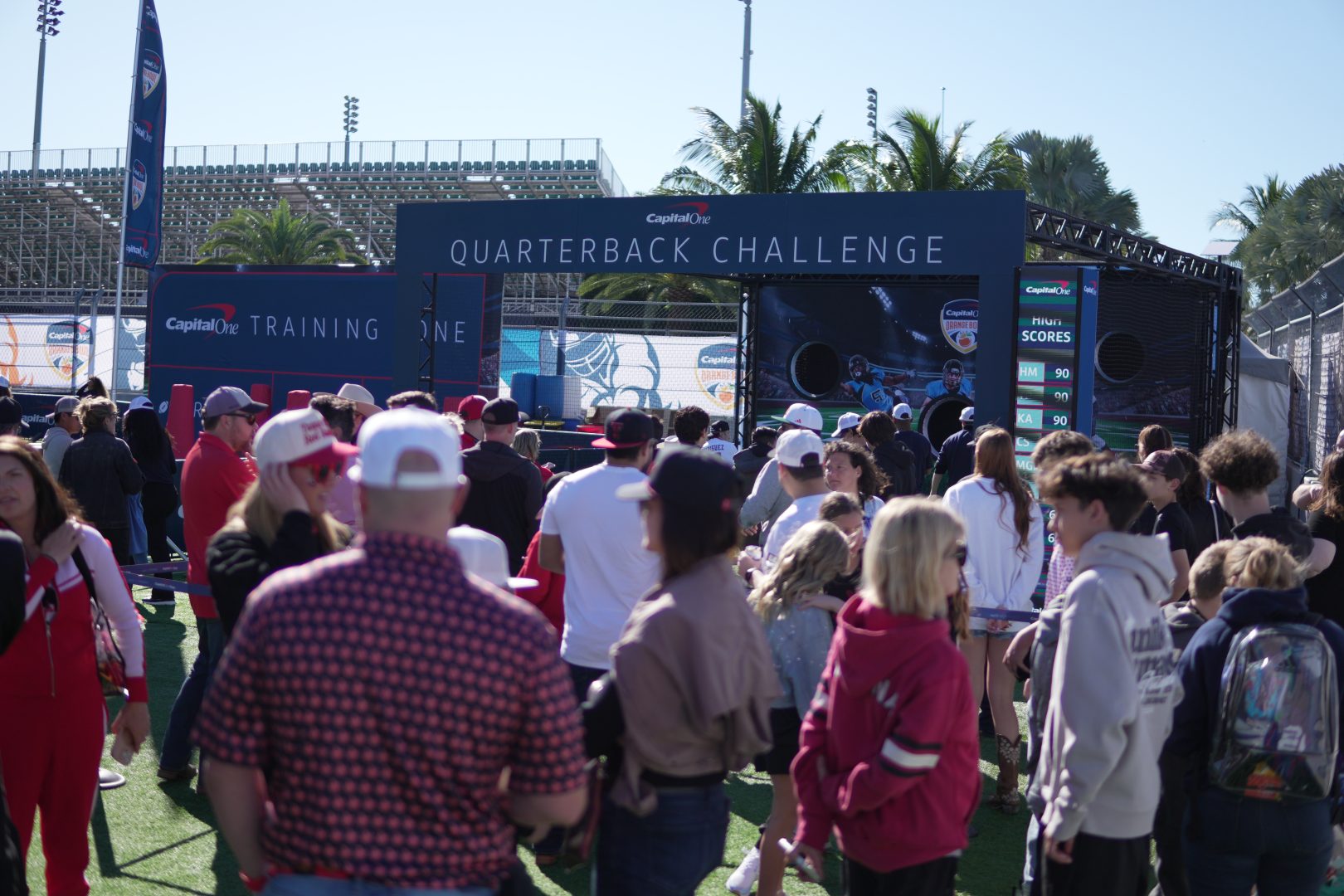
Capital One Orange Bowl Activation
If you could give planners one piece of advice for 2026, what would it be?
Start with the end in mind—specifically, the emotion. What should people feel when it’s over? Then design for memorability and shareability, and plan how the event lives on after the final moment. Jim advises:
“Start your planning with the end goal in mind—what do you want them to feel after they have experienced your event or activation. Is the event memorable, shareable, and what are you doing to help support the extended life of an event once it’s over.”
If you’re planning for 2026, the takeaway is clear: design for participation, remove friction, and build an environment that delivers the story through every touchpoint. The best events won’t just capture attention—they’ll create connection and momentum that lasts.
At Bluewater, our vision is to create environments that power human connection—bringing together strategy, storytelling, and technology to turn live moments into lasting impact. If you’re ready to elevate your next event or activation, let’s build it together. Contact us today to get started.