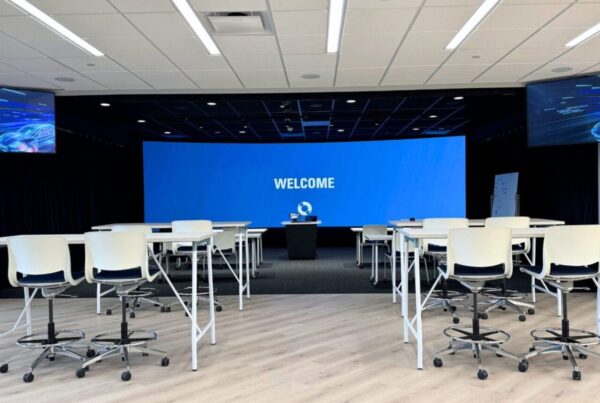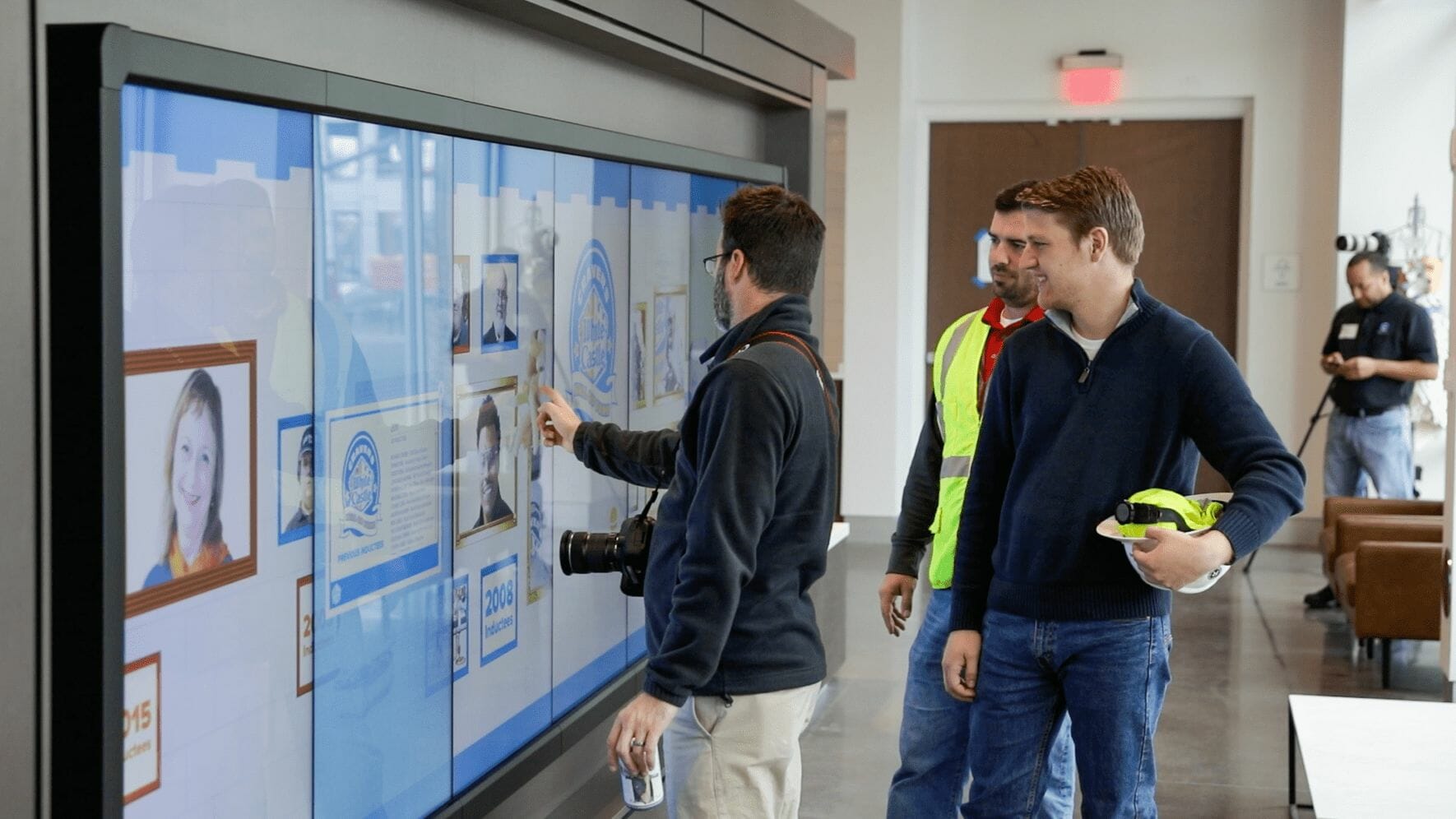

Walk into almost any modern space — corporate office, retail store, sports bar, hospital, or venue — and you’ll see impressive display technology everywhere. Massive LED walls. Crisp digital signage. Screens that look expensive.
But here’s the truth: the technology alone isn’t what makes an impact.
The real return on investment comes from what’s actually on the screen — and why it’s there.
The most successful organizations treat displays not as static screens, but as a living canvas. One that can inform, welcome, guide, motivate, sell, or celebrate — depending on the moment.
Before diving in, we asked two members of Bluewater’s Creative team for their perspective: Brandon, Senior Designer, and Eric, Creative Director of Themed Entertainment, who both regularly design and optimize content for large-scale digital displays and video walls. Here’s what they see most often — and the simple changes organizations can make to drive better engagement right away.
So how do you get there? Let’s break it down.
Displays Are a Canvas — Not a Billboard
One of the biggest mistakes we see is treating digital displays like oversized posters: everything on screen, all the time.
As Eric puts it:
“I see a lot of digital content that ends up looking like a fast-food menu — everything all at once, all the time.”
When every message competes for attention, nothing sticks.
Instead, think of your display as a canvas that evolves throughout the day. The goal isn’t to say everything — it’s to say the right thing, at the right time, to the right audience.
That shift in mindset alone changes how content is planned, designed, and deployed.


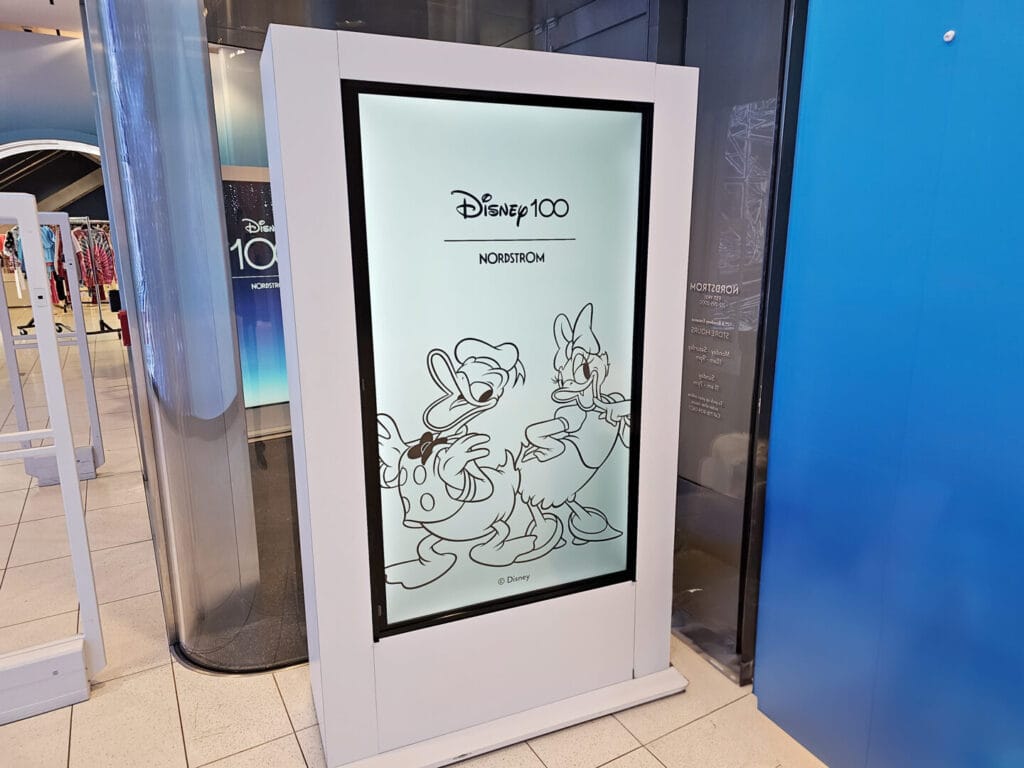
Step 1: Start with Purpose, Not Pixels
Before opening After Effects or pulling brand assets, ask a few foundational questions:
-
Who is this content for?
-
What do we want them to do, feel, or understand?
-
How long will they realistically be looking at the screen?
Is the display meant to:
-
welcome visitors?
-
guide people through a space?
-
promote products or services?
-
build brand credibility?
-
energize a crowd?
Clarity here prevents content overload later.

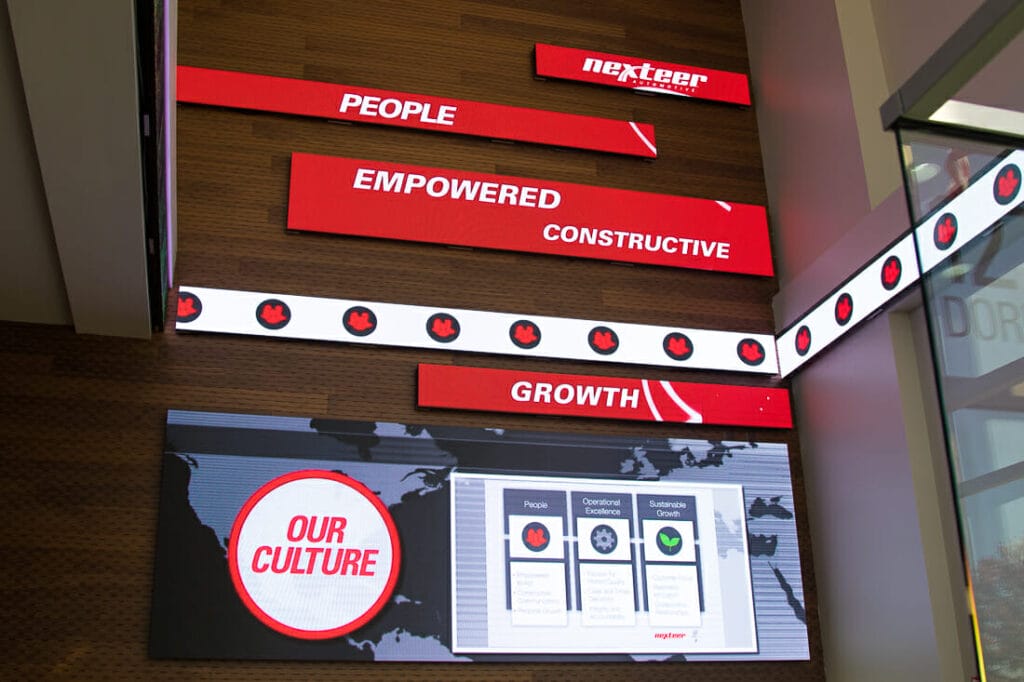
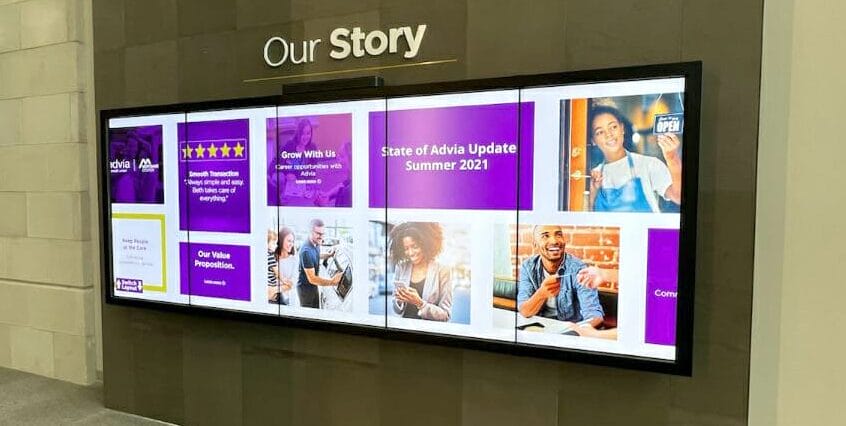
Step 2: Segment Your Messaging (Seriously)
Segmentation is where good display content becomes great.
Eric explains it best:
“Concise messages will be digested and remembered easily and will likely fit your canvas more naturally as well. Think about how and why you segment your messages by considering audience, dwell time, and dayparting.”
Instead of one long, cluttered loop, consider:
-
Audience: employees vs. guests vs. customers
-
Dwell time: are people walking by or sitting for 10 minutes?
-
Dayparting: morning, afternoon, evening, event-based moments
Short, focused messages outperform dense visuals every time — especially on large-format displays.
Step 3: Design for the Space (and the Hardware)
Another common pitfall? Content that ignores the technology it’s playing on.
Brandon sees this often:
“Many times I’ll see content that was created without the hardware in mind… overly compressed footage, color banding, or stuttering motion.”
Your display content should be designed with the hardware, not dropped onto it as an afterthought.
Things to consider:
-
resolution and aspect ratio
-
viewing distance
-
brightness and color capabilities
-
playback systems and compression limits
When content is optimized for the display itself, it instantly looks more professional — and becomes much easier to consume.
Step 4: Decide Who Owns the Content (and How Often It Changes)
A display with outdated content is worse than no display at all.
To keep screens fresh and effective:
-
assign clear ownership (who updates this?)
-
establish a realistic update cadence
-
build flexible templates that can evolve over time
Content doesn’t need to change daily — but it should feel intentional, relevant, and alive.

Step 5: Measure What’s Working
Even creative display content should earn its place.
Pay attention to:
-
engagement patterns
-
dwell time changes
-
audience feedback
-
performance tied to promotions or events
When displays support real business goals, content decisions become much easier to justify — and improve.
The Bottom Line
Great display technology is powerful — but content is what gives it purpose.
When screens are treated as a strategic canvas instead of digital wallpaper, they:
-
communicate more clearly
-
elevate brand presence
-
and actually drive action
Or said another way:
Your displays should work just as hard as the technology behind them.